
International Athletes
HOW TO GET RECRUITED TO PLAY COLLEGE SPORTS IN THE U.S.
Getting recruited from another country comes with unique challenges. Understand how U.S. recruiting works, what coaches need to evaluate you, and explore pathways like prep school and post-grad years that could help you reach the next level.
International Athletes
HOW TO GET RECRUITED TO PLAY COLLEGE SPORTS IN THE U.S.
Getting recruited from another country comes with unique challenges. Understand how U.S. recruiting works, what coaches need to evaluate you, and explore pathways like prep school and post-grad years that could help you reach the next level.
International Athletes
HOW TO GET RECRUITED TO PLAY COLLEGE SPORTS IN THE U.S.
Getting recruited from another country comes with unique challenges. Understand how U.S. recruiting works, what coaches need to evaluate you, and explore pathways like prep school and post-grad years that could help you reach the next level.
The Short Answer
HOW DO INTERNATIONAL STUDENT-ATHLETES GET RECRUITED TO PLAY COLLEGE SPORTS IN THE U.S.?
There are many ways an international student-athlete can reach U.S. college sports. The process becomes much easier to understand when you answer three questions: Where can I realistically play? What path should I take to get there? And how do I get the right college coaches to evaluate me?
The U.S. has a wide range of colleges and athletic programs, with different levels of competition, academics, admissions standards, campus environments, and opportunities for athletes. Some international athletes are recruited directly from their school, club, academy, or national-team environment abroad. Others may use a U.S. prep school, a post-grad year, or two-year college as part of their pathway. Recruiting itself can happen through film, direct communication with coaches, tournaments and camps, recruiting platforms, current coaches and trusted networks, or a combination of those methods.
The right approach depends on the individual athlete. This includes their current level, academics, timeline, goals, development needs, and how easy it is for U.S. coaches to evaluate them from where they are today. This guide will help you understand those pieces and decide which route makes the most sense for you.
Contents
What You’ll Learn In This Guide
Understand where you can play, which pathways are available, how recruiting works, and what you need to make the right move.
Where Can I Realistically Play?
01 — Where can international student-athletes play college sports in the U.S.?
02 — How Do I Find the Right College Level for Me?
What Path Should I Take?
03 — What Paths Can International Athletes Take to U.S. College Sports?
How Do I Actually get Recruited
04 — How Does U.S. College Recruiting Work for International Athletes?
05 — What Do College Coaches Need to Evaluate an International Athlete?
06 — How Can International Athletes Create Recruiting Opportunities?
What Recruiting Challenges Do International Athletes Face
The Basics
What Is a U.S. Prep School?
A U.S. prep school is typically a private day or boarding school that combines college-preparatory academics with structured extracurricular and athletic opportunities. For international student-athletes, it can provide an opportunity to continue their education while adapting to the U.S. academic and athletic environment.
Prep schools vary significantly in academics, athletic level, coaching, competition, campus environment, and college preparation. That is why reputation alone should not determine the decision. The right school depends on the individual athlete.
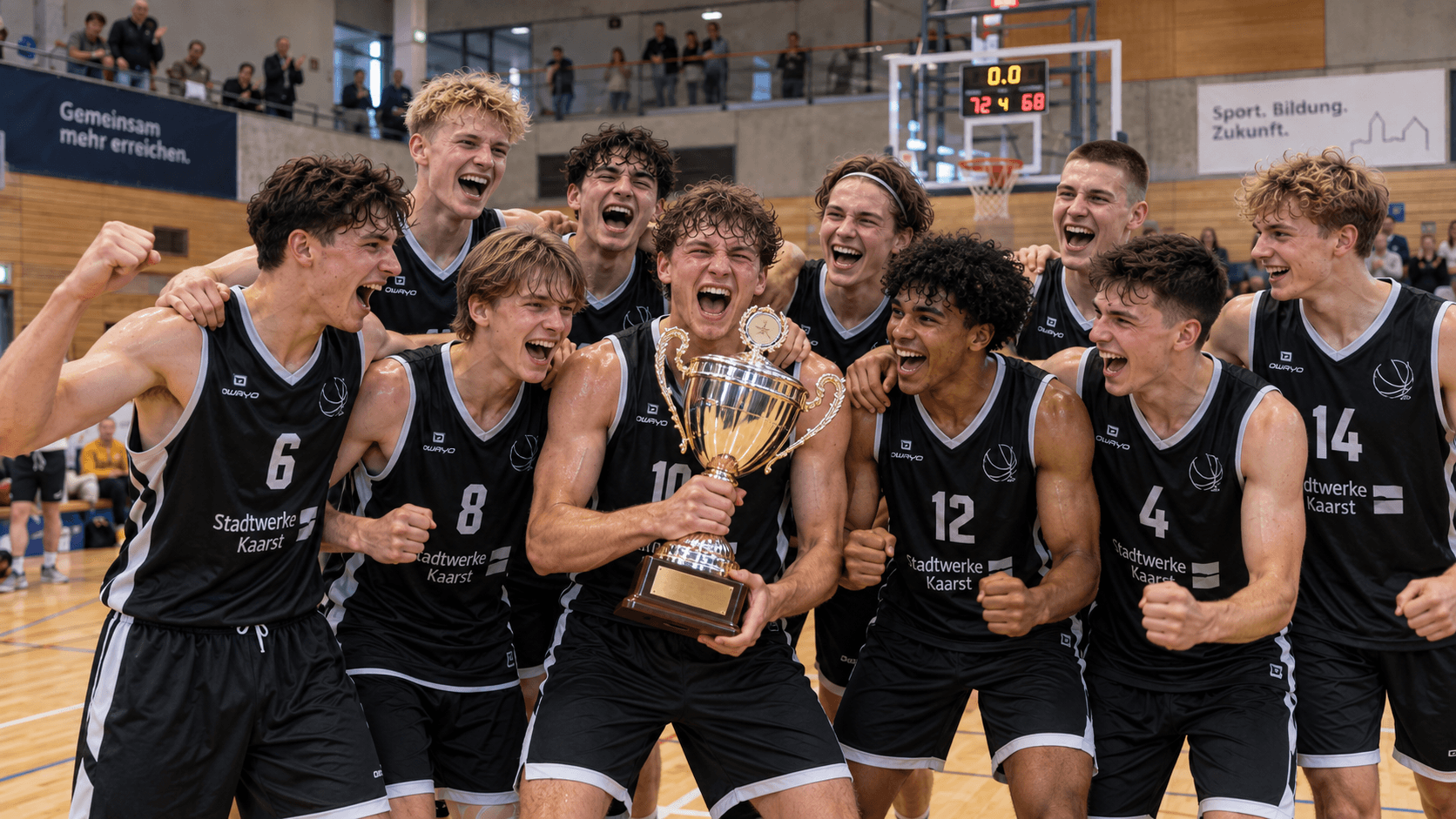
A strong performance means more when a coach understands the competition. International leagues, clubs, academies, and school systems can be difficult for U.S. coaches to compare with environments they already know.

Distance can make it harder for coaches to watch an athlete compete live, build familiarity over time, or see them repeatedly against known competition.
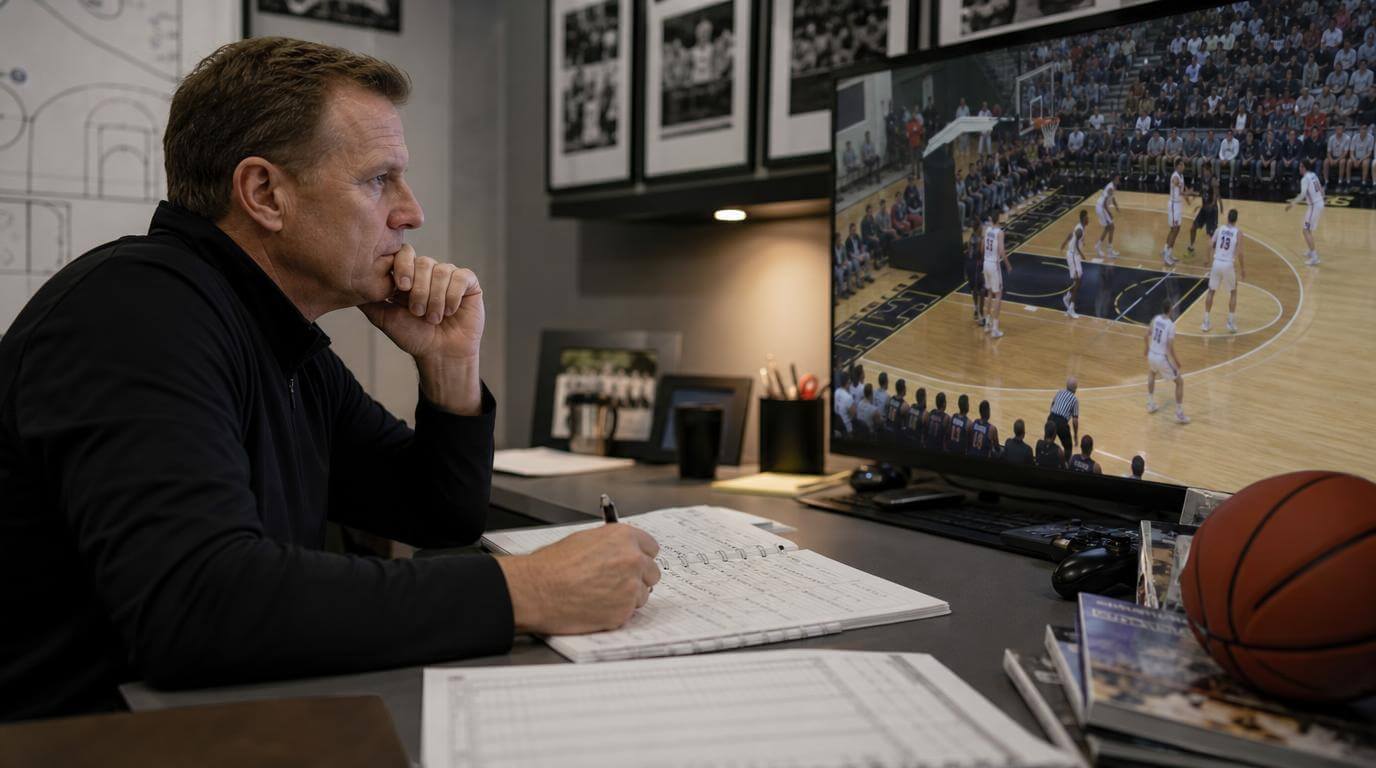
Highlights can attract attention, but they rarely answer every recruiting question. Coaches may still need full-game footage, measurements, statistics, competition context, and other information to evaluate the athlete accurately.

The goal isn't simply getting interest. International families also have to understand where the athlete realistically fits within the U.S. college landscape so recruiting efforts are directed toward appropriate programs.

Recruiting is relational. Communication with coaches, responsiveness, reliable information, references, and consistency can become especially important when much of the recruiting process happens from another country.

Recruiting decisions don't happen in isolation. School calendars, admissions processes, travel, family decisions, and other logistical considerations can affect how quickly an international athlete can pursue an opportunity.
Academics
U.S. prep schools offer some of the strongest academic environments in the country, with small class sizes, rigorous college-preparatory coursework, close access to teachers, and advanced academic opportunities.
Athletics
Top prep programs can offer elite coaching, strong facilities, strength and conditioning, and competition against some of the most talented and heavily recruited athletes in the country.
College Preparation
U.S. prep schools are specifically designed to help prepare students for the academics, communication, independence, and environment of college before making the transition.
High School vs. Post-Grad
Prep schools offer the option of transferring during high school, which can give an athlete more time to develop within the U.S. system, and a post-grad year, which provides a second chance for growth and exposure after graduating.

The Benefits
Why Do International Student-Athletes Consider U.S. Prep School?
For some international athletes, U.S. prep school can provide more than a change of competition. It can create a structured environment where academics, athletic development, recruiting exposure, and preparation for life in the U.S. happen together.
The potential benefits depend heavily on the athlete and the school. These are reasons families may consider the pathway, not guaranteed outcomes.
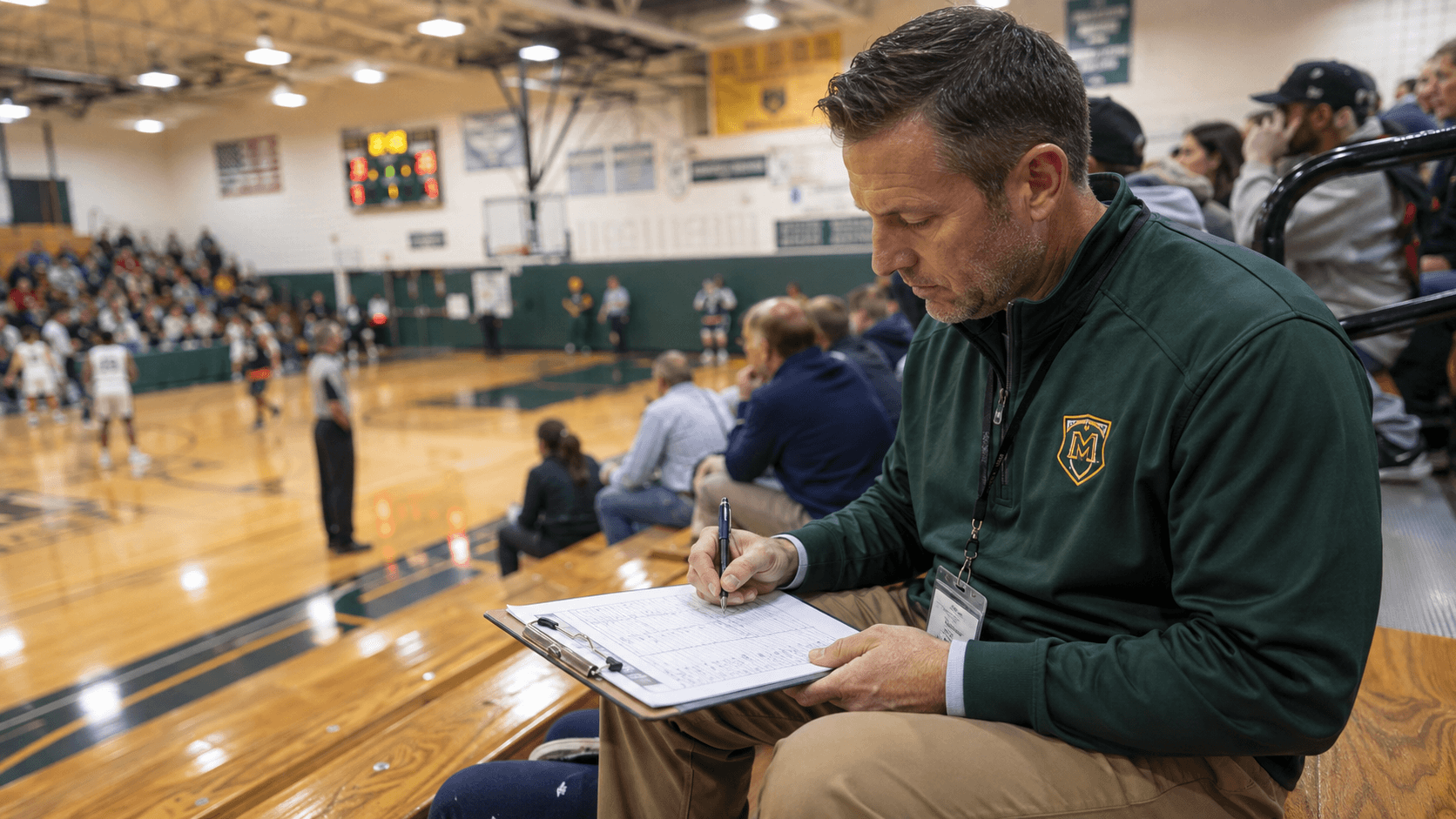
U.S Recruiting Visibility
Compete in an environment where U.S. coaches have better access.
Playing within the U.S. system can give college coaches additional context when evaluating an athlete’s competition level, role, development, and performance.
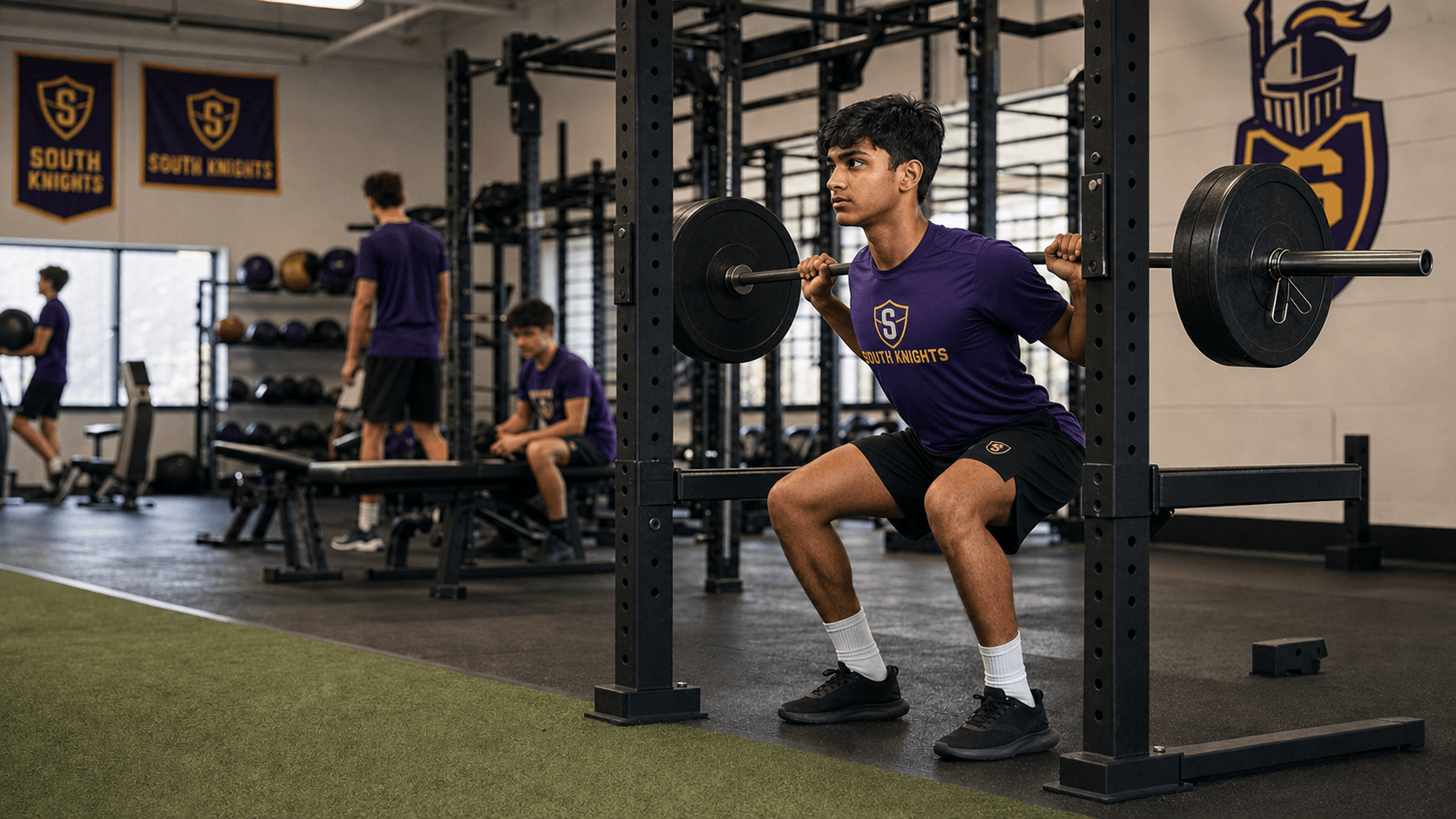
Athletic Development
Gain more time and the right environment to develop.
Depending on the program, athletes benefit from elite coaching, training, competition, and additional time to develop physically and technically.
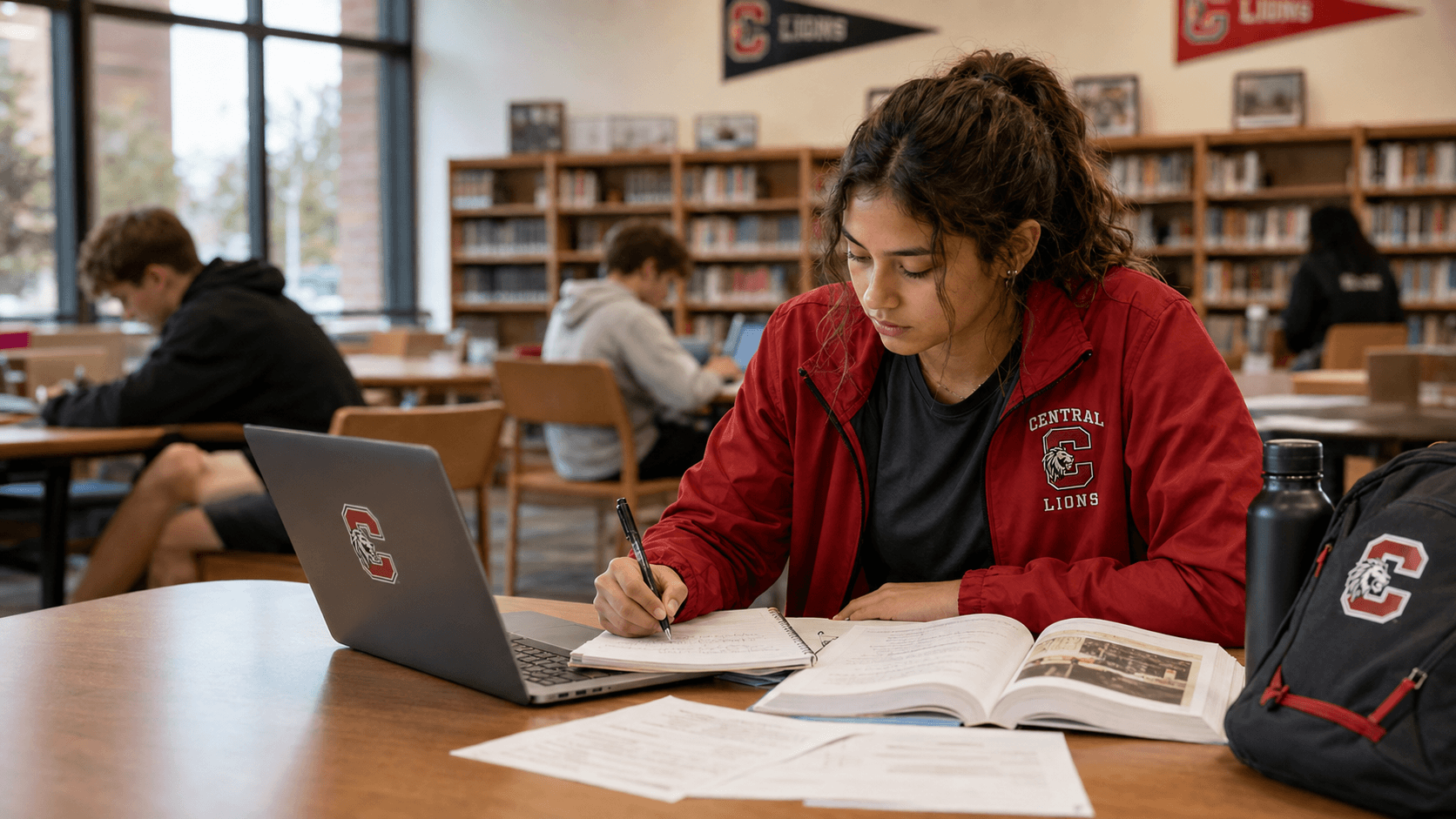
Academic Preparation
Adjust to U.S. academic expectations before college.
A prep school environment can help international students become more familiar with American classroom expectations, schedules, communication, and academic responsibilities.
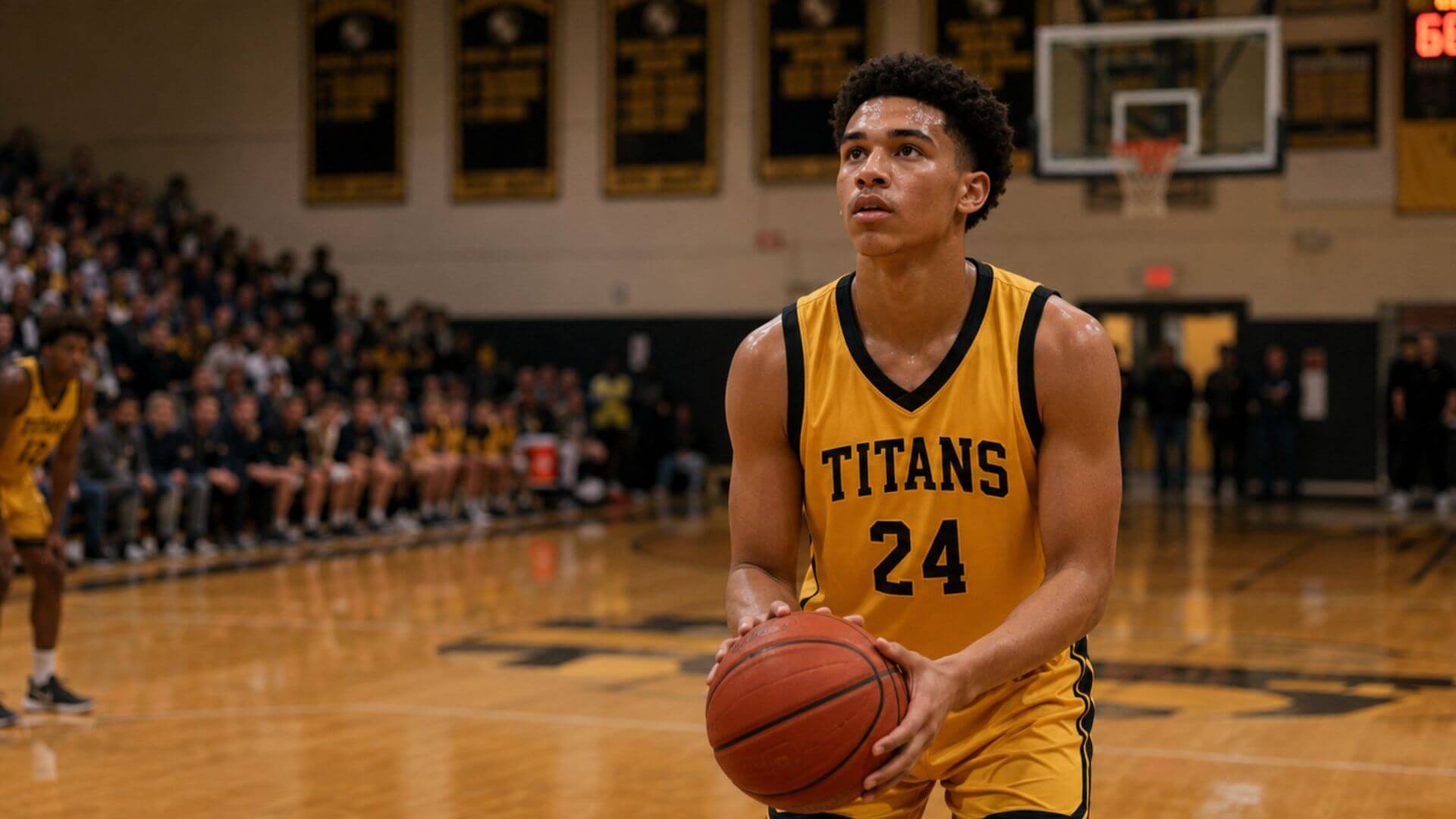
Stronger Competition
Compete in an environment where U.S. coaches have better access.
Moving into U.S. prep competition provides a different level and style of play that challenges their development and provides useful evaluation context.
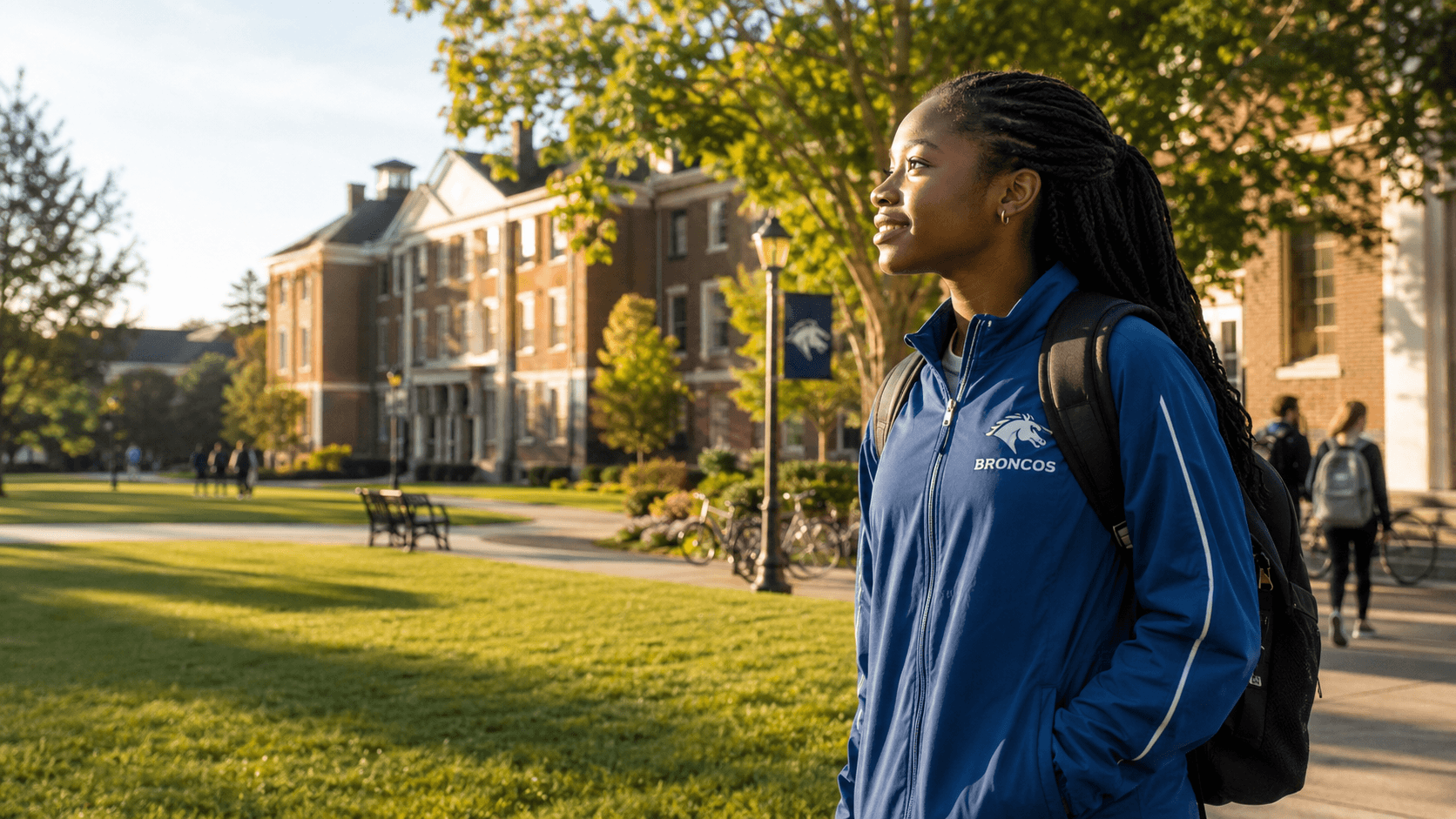
Cultural Transition
Experience life in the U.S. before making the jump to college.
Living and studying in the U.S. can give an athlete time to adjust to a new culture, school environment, teammates, coaches, and greater independence.

More Time To Mature
Development does not happen on the same timeline for every athlete.
Some athletes simply need additional time—physically, academically, emotionally, or athletically—before they are ready for the right college opportunity.
Prep school should not be viewed simply as a way to “get exposure.” Its value is strongest when the environment helps the athlete become better prepared for the next step.
Pathway Fit
When U.S. Prep School May Make Sense, And When It May Not
Prep school can be a strong option for international athletes, but it is not automatically the right move for everyone. The decision should be based on the athlete’s academic needs, athletic level, maturity, family goals, and the quality of the specific school fit.
When It May Make Sense
Limited U.S. exposure
The athlete has ability but U.S. coaches lack context.
Recruiting uncertainty
The family needs help understanding realistic options.
Academic preparation
More time in a U.S. academic environment would be useful.
More development time
The athlete needs physical, emotional, or athletic growth.
Stronger competition
The current environment is not providing the right challenge.
Structured transition
The athlete would benefit from adjusting to U.S. life before college.
Not ready for college
Another step may create a better long-term outcome.
When It May Not Be the Right Fit
The family expects a guaranteed scholarship
Prep school cannot guarantee recruitment or funding.
Not ready for independence
boarding or living away from home may be too much.
The cost does not make sense
the financial commitment should fit the family’s situation.
The academic situation is too complicated
Another pathway may be more appropriate.
The athlete already has a strong local pathway
Moving to the U.S. is not always necessary.
The decision is based only on “exposure”
Visibility alone is not a strong enough reason.
The school is a poor fit
Reputation should never override academic, athletic, or personal fit.
The right question is not “Is prep school good?”
It is “Does it solve the right problems for this specific athlete?”
Compare The Options
What is the Difference Between the Main U.S. Pathways?
Explore PREP’s latest guidance for international student-athletes and families, covering U.S. prep schools, recruiting, post-grad options, school fit, academics, development, and the transition to competing in the United States.
U.S. Prep
School
Best For
Athletes looking for a bridge to play at U.S. colleges, or who want to prioritize well balanced development while adjusting to the culture.
Potential Stength
Improved academics, athletics, development, and transition.
Important Question
Is it a priority to have
U.S. Prep
School
Best For
Athletes looking for a bridge to play at U.S. colleges, or who want to prioritize well balanced development while adjusting to the culture.
Potential Stength
Improved academics, athletics, development, and transition.
Important Question
Is it a priority to have
Post-Grad
Year
Best For
Graduates who need additional development before college, or whose college options need improvement.
Potential Stength
Provides a second chance at getting recruited, while continuing to develop and prepare for the next level.
Important Question
Are the college options going into graduation in line with your goals?
Direct To
College
Best For
Athletes who may benefit from U.S. academics, competition, development, and recruiting context
Potential Stength
Athletes who may benefit from U.S. academics, competition, development, and recruiting context
Important Question
Athletes who may benefit from U.S. academics, competition, development, and recruiting context
International
Academy
Best For
Athletes who may benefit from U.S. academics, competition, development, and recruiting context
Potential Stength
Athletes who may benefit from U.S. academics, competition, development, and recruiting context
Important Question
Athletes who may benefit from U.S. academics, competition, development, and recruiting context
JUCO
Best For
Athletes who may benefit from U.S. academics, competition, development, and recruiting context
Potential Stength
Athletes who may benefit from U.S. academics, competition, development, and recruiting context
Important Question
Athletes who may benefit from U.S. academics, competition, development, and recruiting context
Prep school should not be viewed simply as a way to “get exposure.” Its value is strongest when the environment helps the athlete become better prepared for the next step.
The Challenge
What Recruiting Obstacles Do International Student-Athletes Face?
International athletes can face a different recruiting challenge than athletes already competing in the U.S.
College coaches may have less context for evaluating them.
A coach may see talent on film but still have questions about the level of competition, physical development, academics, communication, or how that athlete’s game translates to the U.S. college environment. Understanding those gaps can help families approach recruiting more strategically.
The Challenge
What Recruiting Obstacles Do International Student-Athletes Face?
International athletes can face a different recruiting challenge than athletes already competing in the U.S.
College coaches may have less context for evaluating them.
A coach may see talent on film but still have questions about the level of competition, physical development, academics, communication, or how that athlete’s game translates to the U.S. college environment. Understanding those gaps can help families approach recruiting more strategically.

A strong performance means more when a coach understands the competition. International leagues, clubs, academies, and school systems can be difficult for U.S. coaches to compare with environments they already know.
Distance can make it harder for coaches to watch an athlete compete live, build familiarity over time, or see them repeatedly against known competition.
Highlights can attract attention, but they rarely answer every recruiting question. Coaches may still need full-game footage, measurements, statistics, competition context, and other information to evaluate the athlete accurately.
The goal isn't simply getting interest. International families also have to understand where the athlete realistically fits within the U.S. college landscape so recruiting efforts are directed toward appropriate programs.
Recruiting is relational. Communication with coaches, responsiveness, reliable information, references, and consistency can become especially important when much of the recruiting process happens from another country.
Recruiting decisions don't happen in isolation. School calendars, admissions processes, travel, family decisions, and other logistical considerations can affect how quickly an international athlete can pursue an opportunity.
FOR INTERNATIONAL ATHLETES, EXPOSURE IS ONLY PART OF THE EQUATION.
The harder part is helping the right coaches gain enough information and context to confidently evaluate whether the athlete could fit their program.
The Solution
How Can International Student-Athletes Overcome Recruiting Challenges?
International recruiting becomes possible when college coaches have enough information and context to make a meaningful evaluation.
The goal is not simply to get in front of more coaches. It is to make it easier for the right coaches to understand your ability, background, level of competition, and potential fit for their program.
International student-athletes and families can help close some of the gaps created by distance with the right approach.

01 -PROVIDE THE RIGHT CONTEXT
A coach may not immediately understand the league, club, academy, school, or level of competition an international athlete comes from.
Help make that environment easier to understand. Your role, age group, competition level, statistics, measurements, schedule, and relevant background can all provide useful context around what a coach sees on film.
Don’t assume a U.S. coach understands your basketball environment simply because it is familiar to you.
02 — MAKE FILM EASY TO EVALUATE
Highlight film can help get a coach’s attention, but it does not always provide enough information to make a serious evaluation.
Clear footage, full-game film when appropriate, and context about the opponent and competition can help coaches understand how an athlete plays beyond their best moments.
Good film should help a coach evaluate you—not just promote you.


02 — MAKE FILM EASY TO EVALUATE
Highlight film can help get a coach’s attention, but it does not always provide enough information to make a serious evaluation.
Clear footage, full-game film when appropriate, and context about the opponent and competition can help coaches understand how an athlete plays beyond their best moments.
Good film should help a coach evaluate you—not just promote you.
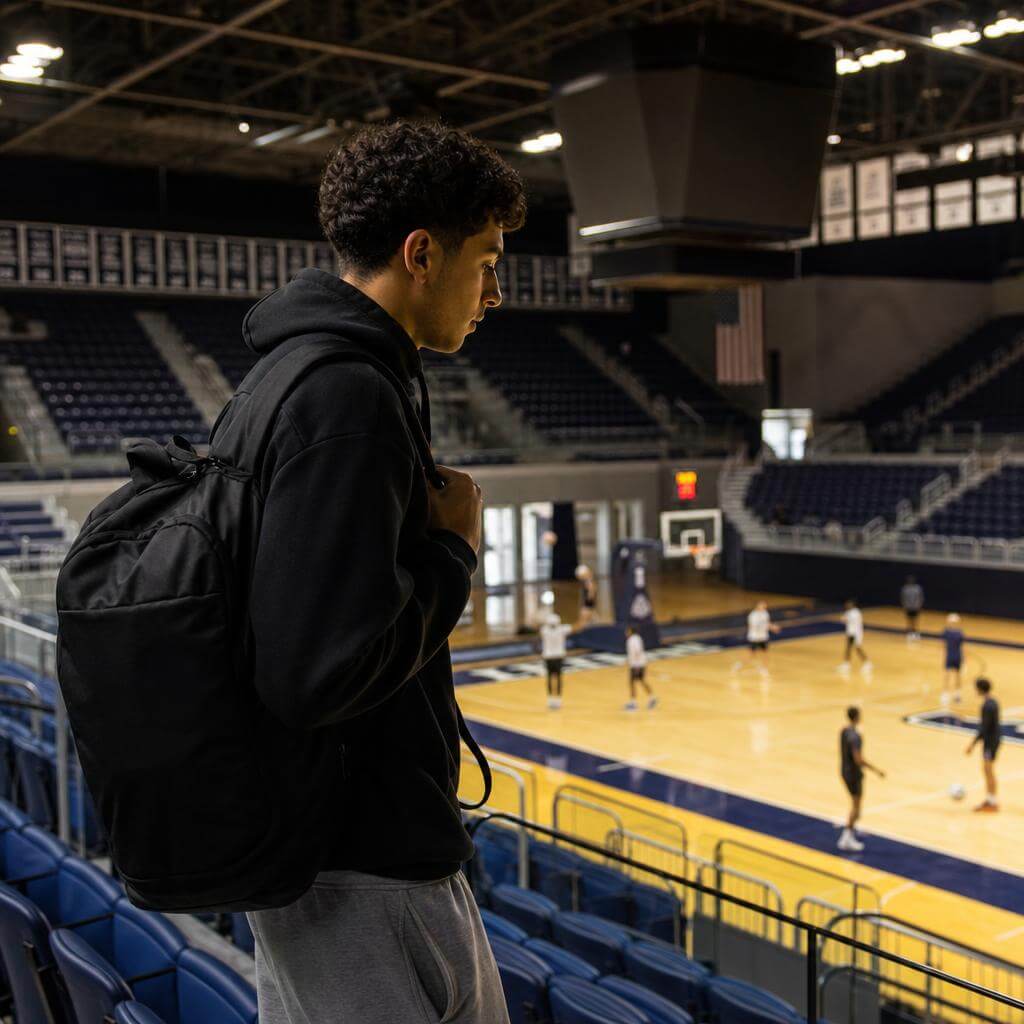
03 — PURSUE THE RIGHT LEVEL
More interest does not necessarily mean better recruiting. The goal is to connect with programs where there could be a realistic athletic, academic, and developmental fit.
Understanding where you may fit within the U.S. college landscape can make outreach more focused and recruiting conversations more meaningful for both the athlete and the coach.
The right opportunities matter more than the most opportunities.
04 — COMMUNICATE CLEARLY & CONSISTENTLY
When coaches cannot regularly see an athlete in person, communication becomes even more important. Be responsive, provide accurate information, and show genuine interest when it exists.
Consistent communication also gives coaches an opportunity to learn more about the person behind the film—how you communicate, how seriously you approach the process, and whether the relationship continues to make sense.
Make it easy for the right coach to keep the conversation moving.

04 — COMMUNICATE CLEARLY & CONSISTENTLY
When coaches cannot regularly see an athlete in person, communication becomes even more important. Be responsive, provide accurate information, and show genuine interest when it exists.
Consistent communication also gives coaches an opportunity to learn more about the person behind the film—how you communicate, how seriously you approach the process, and whether the relationship continues to make sense.
Make it easy for the right coach to keep the conversation moving.

05 — CREATE MORE CHANCES FOR EVALUATION
When possible, give coaches additional ways to evaluate you beyond a single highlight video or introduction.
Full-game film, camps, tournaments, live evaluation, trusted references, or other competitive environments can provide additional information and help answer questions that may be difficult to resolve from a distance.
More exposure only matters when it creates better evaluation.
06 — GIVE YOURSELF ENOUGH TIME
International recruiting can involve more moving pieces than recruiting alone. School applications, academic records, family decisions, travel, communication across time zones, and other logistics can all affect the process.
Starting early gives families more time to understand their options, address questions, and make thoughtful decisions rather than being forced to react when opportunities or deadlines become urgent.
Time creates options—and better decisions require options.

06 — GIVE YOURSELF ENOUGH TIME
International recruiting can involve more moving pieces than recruiting alone. School applications, academic records, family decisions, travel, communication across time zones, and other logistics can all affect the process.
Starting early gives families more time to understand their options, address questions, and make thoughtful decisions rather than being forced to react when opportunities or deadlines become urgent.
Time creates options—and better decisions require options.
SOMETIMES, THE DISTANCE IS STILL A PROBLEM.
Even with strong film, good communication, the right context, and a thoughtful recruiting approach, being fully evaluated from another country can still be a tall order. There are simply things a coach may have difficulty understanding without seeing an athlete compete and develop in a more familiar environment.
For some international athletes, a year at a U.S. prep school or post-grad program can provide that missing context. Coaches can see the athlete compete, develop, and perform within a familiar U.S. environment. It removes much of the uncertainty around how their skills and game will translate to the next level.
It isn’t necessary for every athlete. But for the right athlete, it can change the equation.
Beyond The Game
WHAT SHOULD INTERNATIONAL STUDENT-ATHLETES KNOW ABOUT ACADEMICS, ADMISSIONS & TRANSITION?
Coming to the U.S. is not only an athletic decision. International student-athletes are also entering a new school system, community, and—in many cases—a very different day-to-day environment.
The right school should make sense for the student and person, not just the athlete. Families should consider how prepared the student is for the academic expectations, admissions process, increased independence, and transition to life away from home.
THE SCHOOL HAS TO FIT THE WHOLE STUDENT-ATHLETE.
A U.S. opportunity can look great from an athletic perspective and still be the wrong environment. The strongest decisions consider academics, athletics, independence, support, and everyday life together.
Explore Further
How Do You Choose the Right U.S. Prep School Fit?
Explore PREP’s latest guidance for international student-athletes and families, covering U.S. prep schools, recruiting, post-grad options, school fit, academics, development, and the transition to competing in the United States.
JUCO
Best For
Athletes who may benefit from U.S. academics, competition, development, and recruiting context
Potential Stength
Athletes who may benefit from U.S. academics, competition, development, and recruiting context
Important Question
Athletes who may benefit from U.S. academics, competition, development, and recruiting context
Prep school should not be viewed simply as a way to “get exposure.” Its value is strongest when the environment helps the athlete become better prepared for the next step.
Where To Start
Explore Our Library of AI Strategy Articles
Explore PREP’s latest guidance for international student-athletes and families, covering U.S. prep schools, recruiting, post-grad options, school fit, academics, development, and the transition to competing in the United States.
Understand how U.S. coaches find, evaluate, and recruit international athletes—and what helps an athlete get in front of the right programs.
Explore how coaching, competition, training, playing opportunity, and environment can influence an athlete's development.
Learn what to evaluate beyond reputation, including coaching, competition, academics, opportunity, environment, and long-term goals.
Understand the adjustment to U.S. school, sports, coaching, teammates, independence, and everyday life before making the transition.
Explore Further
Explore Our Library of AI Strategy Articles
Explore PREP’s latest guidance for international student-athletes and families, covering U.S. prep schools, recruiting, post-grad options, school fit, academics, development, and the transition to competing in the United States.
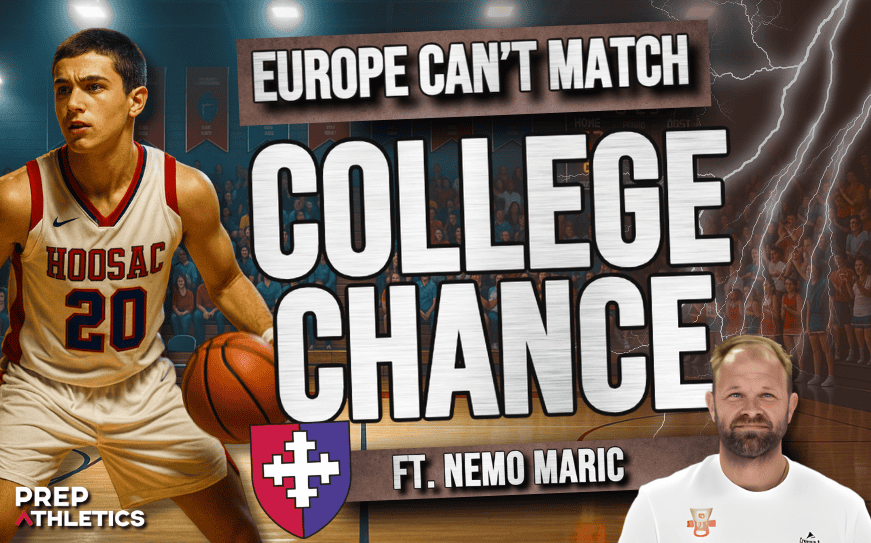
How International Players Use Prep School to Reach US College Basketball
Discover how Hoosac helps international athletes develop, gain NCAA exposure, and use prep school as a pathway to college basketball and academic success.

Going Global: How International Students Can Excel in Prep School Basketball
Prep school basketball in the United States offers a gateway to incredible opportunities, blending rigorous academics with high-level athletic competition.

Do Prep School Coaches Like International Student-Athletes?
Yes. Prep school basketball coaches do like international student-athletes, and here's why: Section 1: The Cultural Fusion Prep school basketball coaches find immense value in international student-athletes. Beyond their athletic prowess, their diverse cultural...
FAQ’s
Why Do International Student-Athletes Consider U.S. Prep School?
For some international athletes, U.S. prep school can provide more than a change of competition. It can create a structured environment where academics, athletic development, recruiting exposure, and preparation for life in the U.S. happen together.
The potential benefits depend heavily on the athlete and the school. These are reasons families may consider the pathway, not guaranteed outcomes.
What is a prep school and how is it different from a regular high school?
Prep schools are college-preparatory boarding schools that combine challenging academics with advanced athletic programs. They feature smaller classes, professional-level coaching, and structured routines that mirror the college experience. Unlike standard high schools, prep schools emphasize player development, accountability, and daily competition that leads to real college recruitment.
Why do international athletes attend prep schools?
For international athletes, exposure and adaptation are the biggest challenges. Prep schools place players directly inside the U.S. recruiting network where college coaches actively scout, while helping them adjust academically, athletically, and culturally. They provide a proven bridge to college sports, delivering the structure, coaching, and competition needed to succeed.
What is a post-grad year and who should consider it?
A post-grad (PG) year is a nine-month academic and athletic program taken after high school graduation and before college. It allows athletes to develop physically, academically, and emotionally, gain another recruiting season, and improve scholarship opportunities, all without using a year of NCAA eligibility. It’s ideal for players who need more exposure, to mature emotionally or physically, or to raise their academic profile before college.
How does a prep-school year compare to junior college (JUCO)?
A prep-school or post-grad year does not use NCAA eligibility, unlike a JUCO. Prep schools also offer higher-level academics, stronger structure, and better living environments. JUCOs are often regional and are a better fit for those who need help raising their academics or don’t have the financial means for a prep school.
How much does prep school cost and can international students receive aid?
Tuition ranges from $38,000 to $87,000 USD per year, depending on school and program. Many offer need-based or merit aid. We can’t guarantee aid in any way, however our team can help families navigate this process to find realistic options. Factors such as academic strength, athletic level, family income, and geographic diversity can all affect scholarship potential.
When should we start the process?
Ideally 6 to 12 months before enrollment. Starting early lets schools review transcripts, film, and aid applications in time for their admissions deadlines. Many prep schools offer rolling admissions, but early preparation opens more opportunities and financial aid availability.
How important are grades and academics?
Academics matter. Prep schools expect effort in the classroom just as much as on the court. Strong grades and test scores expand college options and increase aid eligibility. Most schools require recent transcripts and may recommend the TOEFL or Duolingo for non-native English speakers. There are also prep schools that can assist those who need to improve their academic record.
Do you help with the visa and travel process?
Yes. The prep school that a player will eventually commit to will issue a Form I-20 which is needed to receive an F-1 visa. Each school has an international office that will help you through this entire process.
Who is a good fit for PREP Athletics and who isn’t?
We work with athletes who are driven, coachable, and ready to grow on and off the court. If a player is unwilling to train hard, embrace academics, or follow honest feedback, this path may not be right for them. Our goal is fit, not just placement, so we only take on families we can truly help.
How does PREP Athletics differ from a recruiting service or agent?
We’re not agents. We’re advisors and advocates. PREP Athletics focuses solely on prep school placement, not AAU teams or college representation. We use our network of trusted coaches to create direct introductions, saving families time and avoiding the “pay-to-promise” recruiting industry trap.
What happens if we start late or missed a recruiting window?
It’s never too late to find a fit. Prep schools often have openings throughout the year and post-grad options for recent graduates. We specialize in helping families identify the best available programs based on current timing and readiness.
Can international athletes visit schools before enrolling?
If you can, definitely. Seeing campus life helps ensure fit. But for many families overseas, a virtual visit and online research are sufficient. Most schools offer video tours and digital materials, and we’ll guide you to the most reliable resources for each option.
What should players expect during a prep or post-grad year?
Expect structure, intensity, and growth. Players attend classes daily, train under college-caliber coaches, and compete in high-level leagues. They gain independence, maturity, and college-ready habits — the qualities that help them stand out to college coaches.
What is the first step to get started?
Everything begins with our Free Assessment. You’ll complete a short form so we can evaluate your athletic level, academic record, and financial range, then receive personalized recommendations for next steps.
Evalution
We start by understanding your full story. Athletic ability, academic standing, goals, and financial range. Every athlete completes a free assessment so we can accurately evaluate which prep schools fit best. Parents receive honest feedback — no inflated promises, just clear direction based on years of placement experience.
PLACEMENT
Once we know your level and goals, we connect you directly to prep-school programs that align with your needs. We use our established relationships with coaches across the country to make introductions and guide communication. Families receive realistic school options and insight into financial aid, admissions, and placement timelines.
GUIDANCE
You’re part of the PREP Athletics family for life. Not only will we be there to guide you through the transition into your new school, we’ll also be there long after you arrive. Whether you need advice on college recruiting, academic balance, or your next step after prep school, we’re always here to help and cheering for you every step of the way. Our goal isn’t just placement, it’s a family environment that we create to be with you throughout your athletic journey.

The Solution
THE CENTER OF COLLEGE RECRUITING
Where Competition and Convenience Meet
Prep schools create a hotbed of elite talent. They compete year-round in leagues stacked with Division I-level athletes, all within driving distance for recruiters. Busy college coaching staffs can scout multiple high-level games during the season, making prep-school circuits a primary focus of their travel plans. College coaches build relationships directly with prep school programs that have proven track records of player placement, and on top of that, helping athletes earn college opportunities is part of the prep school coach’s responsibility. In short, prep schools aren’t hoping for exposure, they are the exposure.
Find Your Fit
Get Your Free Personalized Prep School Assessment
Finding the right prep school basketball opportunity starts with understanding your complete situation. Our free assessment collects key information about your athletic abilities, academic standing, and financial considerations to provide targeted guidance specific to your circumstances. This approach allows us to cut through the recruitment noise and give you honest, practical feedback about your options. Most families find that this comprehensive evaluation saves them time and helps avoid mismatched programs that waste valuable development years.
Find Your Fit
Get Your Free Personalized Prep School Assessment
Finding the right prep school basketball opportunity starts with understanding your complete situation. Our free assessment collects key information about your athletic abilities, academic standing, and financial considerations to provide targeted guidance specific to your circumstances. This approach allows us to cut through the recruitment noise and give you honest, practical feedback about your options. Most families find that this comprehensive evaluation saves them time and helps avoid mismatched programs that waste valuable development years.
Questions?
Fill out the form below, and we’ll get back to you within 24-48 hours, or feel free to reach out via email to cory@prepathletics.com. We look forward to hearing from you!
Questions?
Fill out the form below, and we’ll get back to you within 24-48 hours, or feel free to reach out via email to cory@prepathletics.com. We look forward to hearing from you!