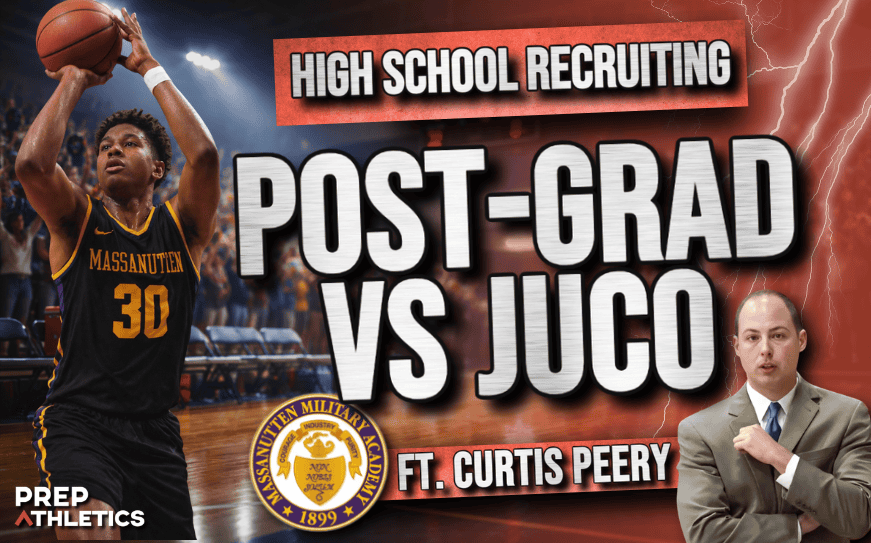
Prep School Basketball Recruiting: What Every Athlete and Family Needs to Know
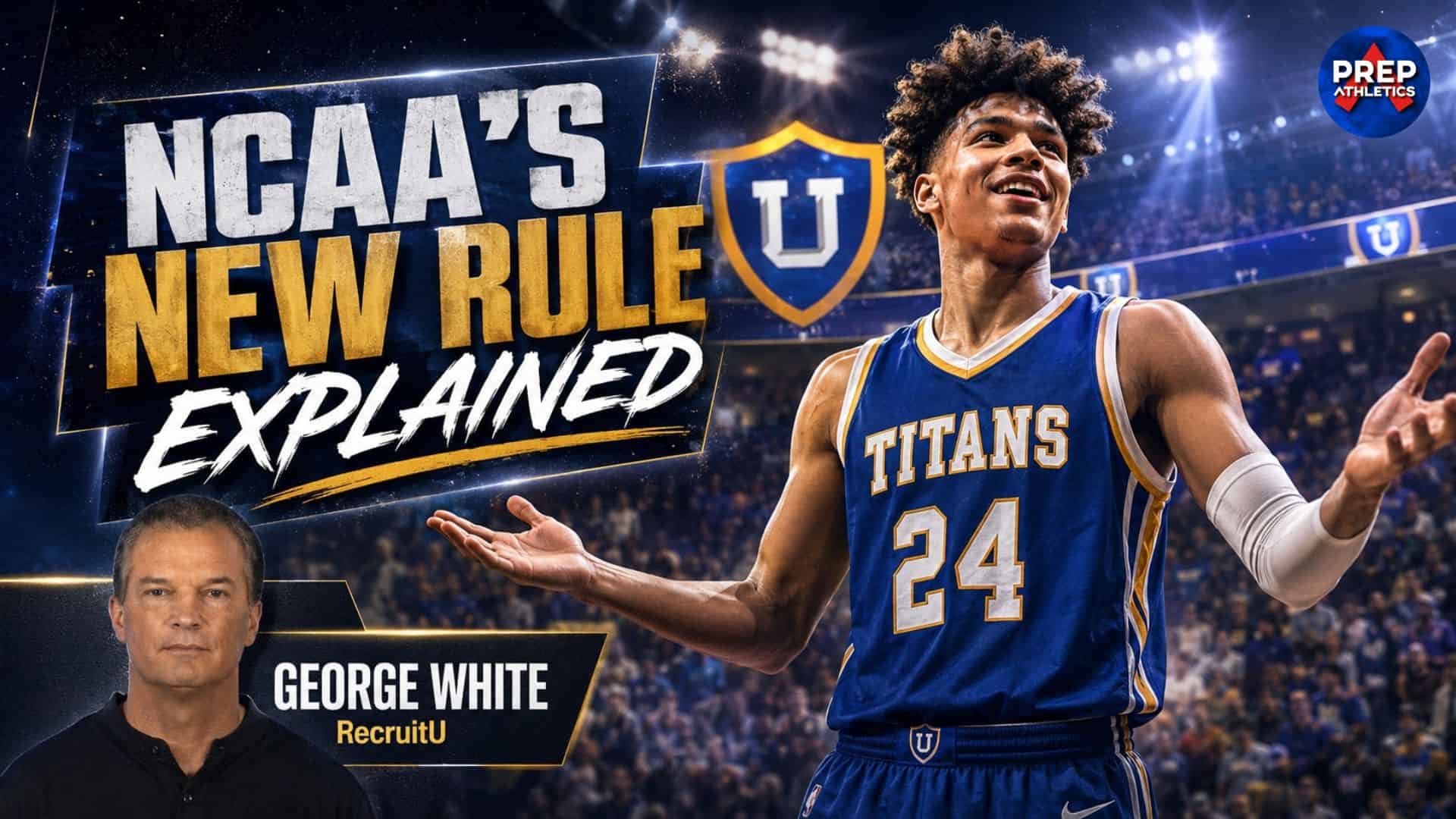
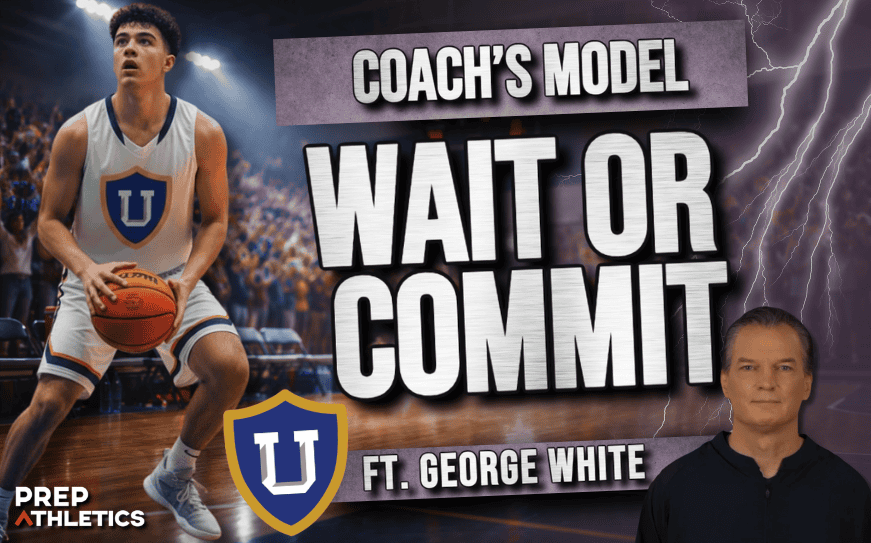
High school basketball players and their families face a recruiting landscape that’s more complex than ever. With new NCAA rules, NIL, and the House settlement changing how athletes are compensated, the questions are piling up. To help break it down, I sat down with George White, a former college coach at every level and founder of Recruit U, to talk about what families must understand when navigating NIL and revenue sharing in 2025.
Understanding the House Settlement and Its Impact
Cory: The reason I wanted to have you on, George, is because you’ve got your finger on the pulse of what’s going on within the recruiting landscape, legal issues, and NIL. The first thing I want to ask is about the House class action lawsuit. Explain what that is and how that’s going to affect future kids trying to get into college programs.
George: The House class action suit was a lawsuit brought by former NCAA athletes to recoup income they felt they had rights to—income generated through their skills or image. The suit settled a couple months ago for a billion-dollar payout. They’re paying cash to players but also agreed to pay athletes going forward.
In my view, it’s not a great deal for most athletes outside football and basketball. Colleges can now share revenue with athletes, but it’s important to note there are two separate pools: revenue share and NIL.
A panoramic look at a professional basketball arena filled with fans, with the court and scoreboard lit brightly at center stage.
Revenue Share vs. NIL: Two Different Buckets
George: Revenue share is about $20 million that a Division I school can allocate across its athletes. But the reality is 75–80% goes to football. The rest goes to men’s and women’s basketball and maybe a sport like women’s volleyball.
Cory: Is that each school’s decision on how much they allocate?
George: Yes. Schools can decide whether to commit to the full $20.4 million or less. Some schools aren’t committing to revenue share at all. It’s all up to the individual school, but most will keep football as the priority.
Cory: And where’s that money coming from?
George: From school revenue—TV contracts, ticket sales, merchandise, even beer sales. But many schools don’t have enough revenue, so they’re cutting staff, sports, or other resources just to cover it. That’s why I say it’s not a great deal for most athletes.
Why Non-Football Schools Could Gain an Edge

A wide-angle shot of a professional basketball game with thousands of fans filling the arena, highlighting the intensity of the live game atmosphere.
George: Here’s where it gets interesting. Schools without Division I football—like those in the Big East or Atlantic 10—don’t have to dump money into football. They can direct more of their revenue share into basketball. That could make them more competitive in men’s basketball recruiting than some Power Five schools, even though that seems counterintuitive.
Cory: So if a top player like Cooper Flagg is choosing between a Big East school and a Power Five football school, the Big East school might have more to offer in revenue share?
George: Exactly. A Big East school might be able to pay him $2 million in revenue share, while Duke could only pay one. Duke might try to make up for it by boosting NIL opportunities, like through apparel deals or sponsorships. But for mid-level recruits—the three or four-star guys—a Big East school could actually be the better financial option.

A panoramic view of a college basketball game with thousands of fans in matching team colors, creating an electric atmosphere inside the arena.
Collectives, NIL, and University Control
George: One more wrinkle is the role of collectives. Some schools, like Tennessee, have already rolled their collectives into university operations to control donor money. Schools don’t like donors writing checks to third parties. Over time, NIL opportunities may shift more directly under university control, creating a hybrid system.
For top recruits, the NIL side will still be massive—endorsements, sponsorships, appearances. But for the majority of recruits, especially outside of football, the revenue share structure at non-football schools could have the bigger impact.
Closing Thoughts: Staying Focused Amid Change
A wide-angle view of an Indiana Hoosiers basketball game, with the arena packed full of cheering fans and the scoreboard glowing above the court.
This NIL and revenue share landscape is complicated, and it’s changing fast. But the takeaway is simple: families need to ask the right questions. Don’t assume every school handles compensation the same way, and don’t overlook non-football conferences that may offer better opportunities for basketball players.
If you’re looking into prep school, reach out to us at PREP Athletics. We’re here to help you explore your potential and make choices that align with your athletic and academic future. We’ve also got a long list of resources to get you started in the right direction, so check out our latest prep basketball updates on YouTube or our podcast to dive deeper.