The NCAA has proposed one of the most significant eligibility changes college athletics has seen in years.
Known informally as the 5-and-5 rule, the proposal would simplify how eligibility is tracked, reduce the reliance on waivers and redshirts, and potentially reshape everything from recruiting and transfers to NIL and post-grad basketball.
At first glance, it sounds like a technical NCAA policy update.
In reality, it could fundamentally change how athletes, families, coaches, and prep schools approach the recruiting process.
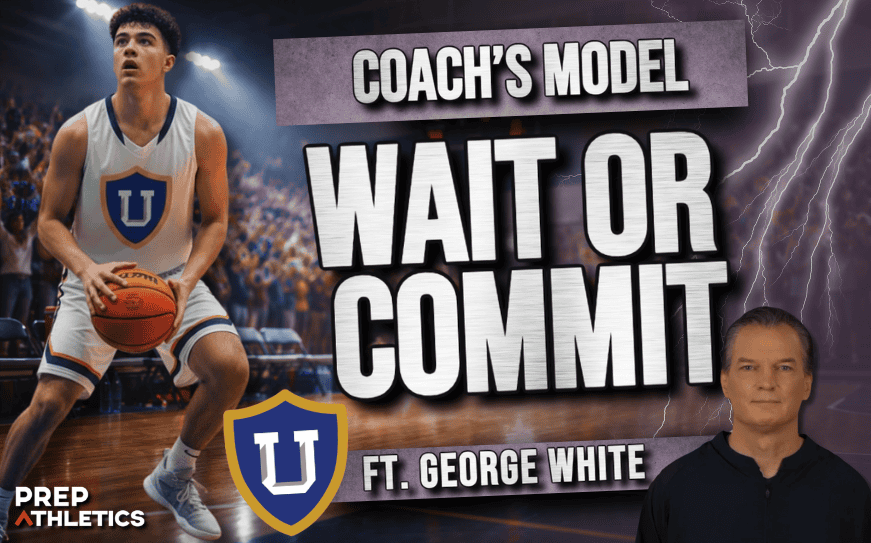
To better understand what this means, I sat down with George White of RecruitU, one of the most respected voices in college recruiting and athletic eligibility. What followed was a fascinating conversation about not only what the rule does, but what it could mean for the future of college sports.
What Is the NCAA’s Proposed 5-and-5 Rule?
In simple terms, the NCAA is proposing a system where athletes would have five years of eligibility beginning at the earlier of either:
- High school graduation
- Turning 19 years old
The proposal would also significantly reduce the complicated web of redshirts, waivers, hardship exemptions, and eligibility appeals that have become increasingly common in college athletics.
As George explained:
“The NCAA really wants to simplify your life more than anything else.”
The goal is to create a clearer, more predictable system for athletes, schools, and the NCAA itself.
Another major component of the proposal would limit athletes’ ability to transfer multiple times while maintaining immediate eligibility. In practical terms, it would make repeated transfers much less attractive than they are today.
Why Is the NCAA Considering This Change?
The NCAA isn’t making this proposal simply to clean up paperwork.
The current eligibility system has become increasingly difficult to manage.
Between COVID years, medical waivers, transfer exceptions, redshirts, and ongoing lawsuits, roster management has become a challenge for both schools and the NCAA.
The proposed rule attempts to create more certainty.
But there may be another reason behind the proposal.
According to George, the NCAA may also be trying to slow the constant escalation happening within the transfer portal and NIL marketplace.
Today, many athletes enter the portal multiple times throughout their careers. Each move often comes with the opportunity to negotiate larger NIL packages.
As George put it:
“Transfers are transferring three and four times. Every time they transfer, they’re upping their ante.”
The 5-and-5 proposal could significantly reduce that cycle.
What Does the NCAA 5-and-5 Rule Mean for College Recruiting?
One of the biggest changes may be where coaches focus their recruiting efforts.
Over the last several years, many programs have prioritized proven transfer portal players over high school recruits.
Why?
Because transfers arrive with college experience and a track record of production.
If transfer movement becomes more restricted, schools may have stronger incentives to invest in high school athletes and develop them over time.
That could shift recruiting back toward long-term player development rather than constant roster turnover.
For high school players and families navigating the recruiting process, that possibility is worth paying attention to.
Why Mid-Major Programs Could Benefit
Perhaps the biggest winners under this proposal are mid-major programs.
For years, many coaches have felt like they were developing players only to watch them leave for Power Conference opportunities after one or two successful seasons.
The current system has often functioned like a ladder:
- Mid-majors identify and develop talent.
- Power programs recruit those players away.
- The cycle repeats.
Under a more restrictive transfer environment, coaches outside the major conferences may finally have a better chance of keeping their best players.
That creates more roster stability and allows programs to focus on long-term development.
In other words, coaches may spend more time building teams and less time rebuilding them every offseason.
How Could This Affect NIL?
One of the most interesting aspects of the proposal is its potential impact on NIL.
Most conversations around NIL focus on athlete compensation, but the transfer portal has become a major driver of NIL inflation.
When athletes can transfer multiple times, they often have multiple opportunities to increase their market value.
If transfers become less common, schools may shift more of their recruiting resources toward incoming high school athletes.
That doesn’t mean NIL disappears.
It simply changes where schools choose to invest.
The result could be a recruiting environment that places greater emphasis on development and long-term fit rather than short-term roster shopping.
Does This Hurt Athletes Who Want to Do a Post-Grad Year?
This is the question many PREP Athletics families are asking.
The answer is more nuanced than many people think.
If the proposal passes, athletes who complete a traditional post-grad year after high school graduation would likely be using one year of their five-year eligibility window.
At first glance, that sounds like a negative.
But George was careful to point out that this doesn’t automatically make post-grad basketball a bad decision.
Far from it.
He’s still a strong advocate for post-grad years when they serve a clear purpose.
A successful post-grad year can provide:
- Academic growth
- Increased maturity
- Better college preparation
- Improved recruiting opportunities
- Additional athletic development
As George explained:
“I’m a big advocate of a PG year if it’s going to move the needle.”
The key phrase is move the needle.
If a post-grad year meaningfully improves a player’s recruiting profile, academic options, or long-term opportunities, it may still be a worthwhile investment.
Will More Families Reclass Instead?
One likely consequence of the proposal is increased interest in reclassifying.
If a post-grad year effectively uses part of an athlete’s eligibility window, some families may choose to reclass earlier rather than pursue a traditional fifth year of high school.
That doesn’t mean reclassing is automatically the right decision.
Every athlete’s situation is different.
Academic readiness, athletic development, recruiting opportunities, and personal maturity all matter.
What this proposal does mean is that families may need to start evaluating those decisions earlier than before.
The recruiting landscape could become more strategic, and understanding available options will become even more important.
The Most Overlooked Opportunity: Graduate School
One of the most valuable insights from my conversation with George had nothing to do with basketball.
It had to do with education.
Many athletes immediately think about an extra year of eligibility as an additional year of competition.
George sees something bigger.
He believes athletes should consider using that additional year to pursue graduate education whenever possible.
As he explained:
“You basically can get a college to pay for part, if not all, of your master’s degree.”
That’s a powerful way to think about eligibility.
College athletics eventually ends for everyone.
Using eligibility strategically to create educational and career advantages may ultimately provide far greater long-term value than one extra season on the court.
What About International Players and Former Professionals?
The proposal also creates interesting questions for international athletes.
In recent years, college basketball has seen an increase in older freshmen arriving from overseas development systems and professional clubs.
Those athletes would still be eligible to play college basketball.
However, because the eligibility clock would begin earlier, their available years of competition could be reduced.
That creates a new decision-making process for international players weighing professional opportunities against NCAA basketball.
The choice may become less about whether to come to the United States and more about when.
Could There Be More NCAA Lawsuits?
If recent history tells us anything, it’s that major NCAA rule changes rarely arrive without legal challenges.
George expects lawsuits will continue.
One group that could potentially challenge the proposal is the current class of graduating college athletes.
Some may argue they should receive additional eligibility under the new framework.
Others may challenge how previous years of participation are counted.
Whether those lawsuits succeed remains to be seen.
But few people expect the legal debates surrounding college athletics to disappear anytime soon.
Frequently Asked Questions About the NCAA 5-and-5 Rule
What is the NCAA 5-and-5 rule?
The proposal would give athletes five years of eligibility beginning at the earlier of high school graduation or turning 19 years old.
Does the NCAA 5-and-5 rule eliminate redshirts?
The proposal would significantly reduce the need for traditional redshirts, waivers, and eligibility appeals by creating a simpler eligibility structure.
Will athletes still be able to transfer?
Yes, but the proposal would make multiple transfers much more restrictive than they are today.
Does a post-grad year hurt eligibility?
Potentially. Under the proposal, a post-grad year could count against the athlete’s five-year eligibility window.
Should athletes still consider a post-grad year?
Absolutely—if it improves recruiting opportunities, academic options, maturity, or overall development.
Final Thoughts
The proposed NCAA 5-and-5 rule isn’t really about eligibility.
It’s about the future direction of college athletics.
It touches recruiting, NIL, transfers, roster management, player development, prep schools, international recruiting, and even graduate education.
The rule may still evolve before becoming official.
But if it passes, athletes and families who understand the implications early will be in the best position to make informed decisions.
The biggest takeaway from my conversation with George White was simple:
Rules change.
The fundamentals don’t.
Finding the right academic fit, athletic fit, and long-term developmental path will always matter more than trying to chase the latest trend.
And for families navigating recruiting, that’s probably the most important lesson of all.
Watch the Full Conversation with George White
For a deeper breakdown of the NCAA’s proposed 5-and-5 rule and its impact on recruiting, NIL, transfers, prep schools, and athlete development, watch the full PREP Athletics Podcast episode below.
For more clips on the world of college recruiting and prep school basketball, head over to our YouTube.