The Modern D1 Guard Standard
Every year, hundreds of high school guards say they want to play Division I basketball—but few truly understand what that means.
We sat down with Coach Ben Veshi of Hargrave Military Academy, one of the top prep programs in the country, to break down the exact checklist college coaches use to evaluate guards.
If you’re serious about being a D1 guard, these aren’t suggestions—they’re requirements.
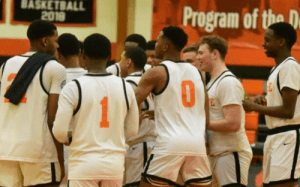
The Hargrave Tigers finish the regular season tied for first in the BRAC, earn the #2 seed, and advance to the VISAA Elite Eight for the fifth time in seven years.
1. Be a Coach on the Floor
Cory: What separates good guards from those who truly run the show?
Ben: “You’ve got to be the coach on the floor. It’s not enough to know your job—you need to know everyone else’s.”
Ben: “At this level, the best guards are problem-solvers. They don’t wait for the coach to fix something; they organize the team, calm guys down, and communicate.”
Ben: “If a player doesn’t talk, doesn’t lead, or can’t run the offense when it breaks down, he’s not a college guard yet.”
2. Tight Handle and Ball Security
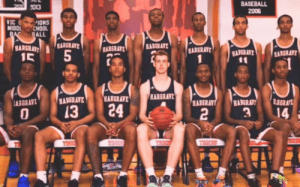
The 2024 Hargrave Military Academy post-grad basketball team—known for its discipline, structure, and record of producing college-ready athletes.
Cory: When college coaches talk about ball handling, what are they really evaluating?
Ben: “It’s control under pressure. Everyone can dribble, but not everyone can handle ball pressure and traps.”
Ben: “A college guard doesn’t over-dribble. He changes pace, protects the ball, and gets the team into sets no matter what the defense does.”
Ben: “Turnovers in prep school are magnified—college coaches want to see guys who value every possession.”
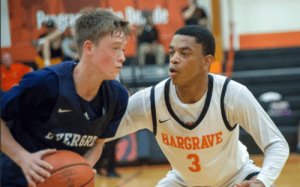
Hargrave Military Academy displays its trademark defensive intensity in a matchup against Evergreen, locking in on every possession.
3. Be a Capable Shooter to Keep Defenses Honest
Cory: How much does shooting ability matter for a D1 guard today?
Ben: “It’s non-negotiable. You don’t have to be Steph Curry, but you’ve got to shoot it well enough that teams can’t go under screens.”
Ben: “If you’re not a threat, defenses adjust. The more you can hit open threes, the more space your team gets. Shooting changes everything.”
Ben: “College coaches are looking for guards who can make catch-and-shoot jumpers, punish lazy closeouts, and hit big shots when needed.”
4. Defend with Physicality and Pride
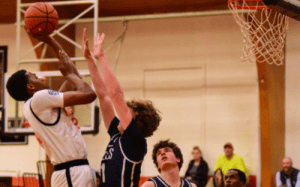
Varsity Basketball begins its state tournament run with a home matchup against Atlantic Shores.
Cory: What about the defensive side—what does it take to stay on the floor?
Ben: “Defense is what gets you recruited. College coaches ask, ‘Can this guy guard our best player in practice?’”
Ben: “If you’re not physical, you’ll struggle at the next level. Guards need to take pride in making life miserable for the ball handler.”
Ben: “The guys who defend with toughness—those are the ones who separate themselves.”
Cory’s Takeaway — Leadership Is the Skill That Opens Doors
Every player can work on their handle or jump shot, but leadership is what defines a true D1 guard.
Coach Veshi’s checklist is a clear roadmap: communicate, defend, and make others better. The guards who do those three things are the ones who earn scholarships.
If you’re looking into prep school, reach out to us at PREP Athletics. We’re here to help you explore your potential and make choices that align with your athletic and academic future. We’ve also got a long list of resources to get you started in the right direction, so check out our latest prep basketball updates on YouTube or our podcast to dive deeper.