Why Playing D1 Basketball Isn’t All That It’s Cracked Up To Be

It is a dream that players have had for the longest time.  Play D1 basketball, compete in March Madness, and ideally win a national title.  If not a title, maybe pull an upset or two.  March Madness is the best sporting event in the world so who can blame players for wanting to strive to make this event.

I am guilty of this as well.  Growing up in Kentucky I wanted to play for Coach K at Duke (before the Christian Laettner shot.)  My father played a West Virginia, his brother played at Oklahoma, and his younger brother played at Kentucky.  My two first cousins both played D1.  One at Purdue and the other at Morehead State.  Playing D1 seemed like a viable option for me as I had grown up around all my D1 talented family members.  I was what one would call, D1 or BUST!

After a post grad year at a prep school I took the one D1 offer I had which was to the Air Force Academy.  This is an engineering focused school where cadets live in dorms for their entire four years, wear a uniform, and have to follow an intense set of rules.  This is all to prepare cadets for becoming Air Force officers.  Serving as an active duty commissioned officer for five years after graduation, is how you pay off your $250,000 education.  None of that sounded appealing to me. First, my mother was an English teacher, who nurtured my love of reading and writing.  Secondly, I really didn’t like people telling me what to do.  I didn’t mind coaches or people that I respected doing so, but it didn’t suit me well when a cadet, who was my same age, hazed me just because I was an athlete.

Giving five years of your life after the Academy to serve in the actual Air Force, was not a huge deal as this was a guaranteed job.  After serving as an officer, one can eventually find a well-paying job in the real world.  Yet 9/11 happened and in the summer of 2003 I was deployed to the Middle East.  I had no idea that my mantra of “D1 or BUST” would land me in Iraq.

This is why I always challenge players and their families to look for the right fit.  Would I have been better served at a D3 liberal arts college where I would have taken classes I enjoyed, not been yelled at, and had a better chance to play?  Did I mention I never played one varsity minute at Air Force?  I spent three years on the JV team because I just wasn’t good enough to make the varsity.  I knew going in that it would be hard for me to make varsity, but I at least wanted the chance.  I didn’t want to lay in bed as a 45-year-old wondering “What if I would have tried D1.”  Maybe I could have been a March Madness hero.

If I would have gone to a D3 program I would have gotten more minutes and had a completely different experience.  Don’t get me wrong, I don’t regret my decision.  I jumped out of a plane, led a survival team in the mountains, was commander of a basic training squadron, announced the 2000 NCAA boxing national championships, flew gliders, had a radio show, mingled w/ astronauts, generals and Tommy Lasorda.  I also made the best friends anyone could ask for.

But in hindsight I wonder if this was the best fit.  It was a brutal four years at the Academy.  Not all of my teammates would put up with it, and a lot left.  Which gets me back to the D1 dream.  I know what it feels like to want this so bad and to work so hard.  But know that when you finally arrive at D1 it might not be all you imagined.  If you look at the Sagarin rankings here, go to the bottom and start working your way up.  These are D1 schools that continually lose, have roster/coaching turnovers, poor fan support and zero tradition.  Is playing in an empty gym for a coach on the hot seat sound like a fun D1 experience?

Next you are going to say that you want to walk on at a D1 program that does win and does have a storied tradition and fan support.  Great!  Do you know all the benefits and challenges of being a walk on?  The benefits are obvious.  You get to be on a D1 roster, travel, and get all the gear.  You might even get a few minutes of scrub time if your team is up by more than 20 points in the last minute.  The challenges are that you have to have the best grades on the team, can’t get in trouble, have to do all the work that the scholarship players do, learn the opposing team’s plays before each game, and get none of the glory.  You might even be better than a player on scholarship, but that doesn’t mean anything.  Basketball is not always fair.  Plus, you or your parents will most likely be paying full tuition for the privilege.

Coach Alex Popp now at IMG was a walk on at Minnesota after doing a post grad year at Northfield Mount Herman.  Coach Pete Hutchins now at Western Reserve Academy was a walk on at the University of New Hampshire.  Both of these coaches left these D1 programs after one season, but they too have stated how challenging it is being a walk on.

Each player and their family need to make their own decision about choosing a college.  Receiving a D1 scholarship is an excellent opportunity.  So is finding the right fit.  There is no exact science or prescription to making the right choice.  Ask a lot of questions, do due diligence and follow your gut.
PODCASTS

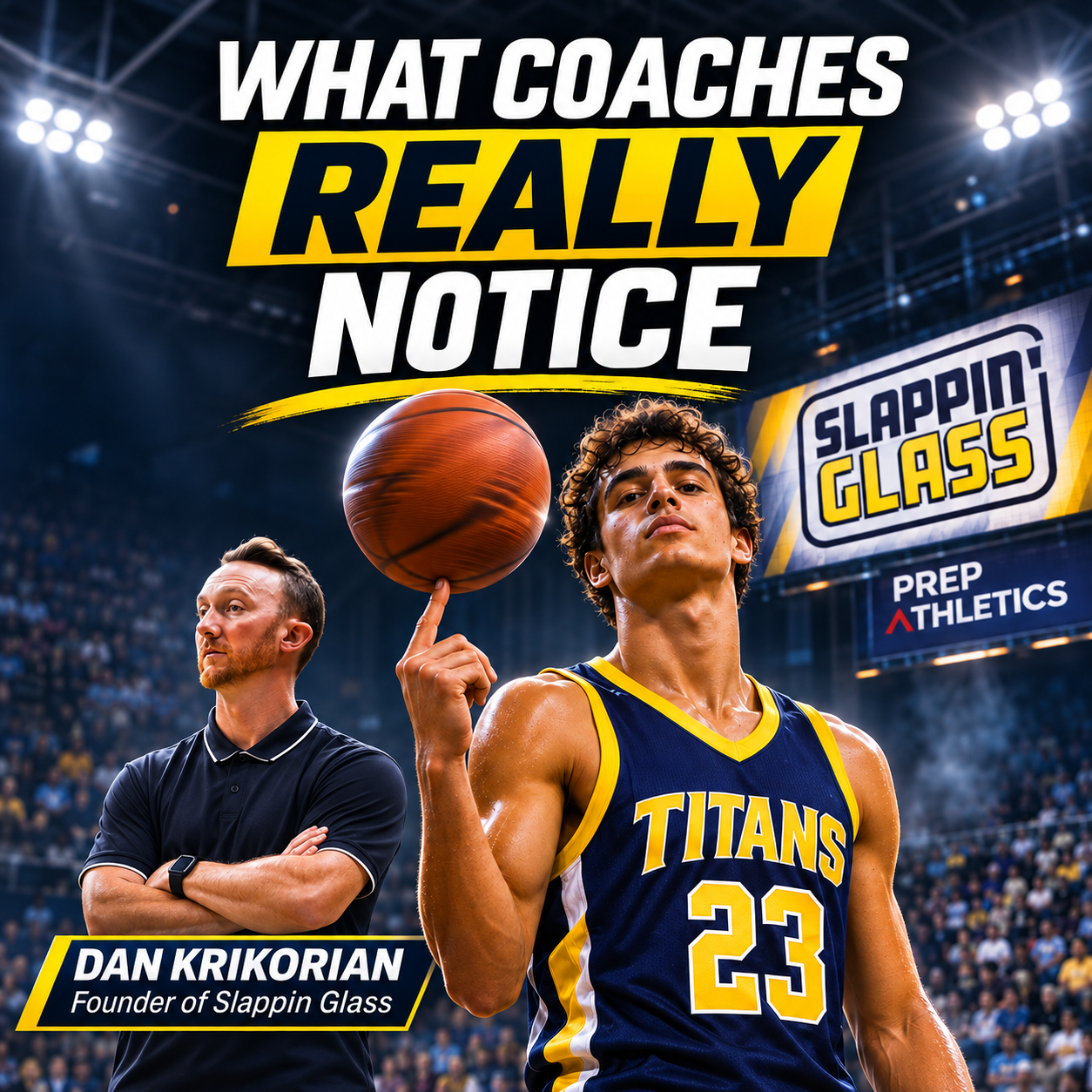
Dan Krikorian: College Coach & Founder of Slappin’ Glass | What College Coaches Look for in Players

What do college coaches actually look for when recruiting players? Chapman University head coach Dan Krikorian joins Cory Heitz to discuss basketball IQ, recruiting beyond statistics, Division 3 basketball, and choosing the right college program.

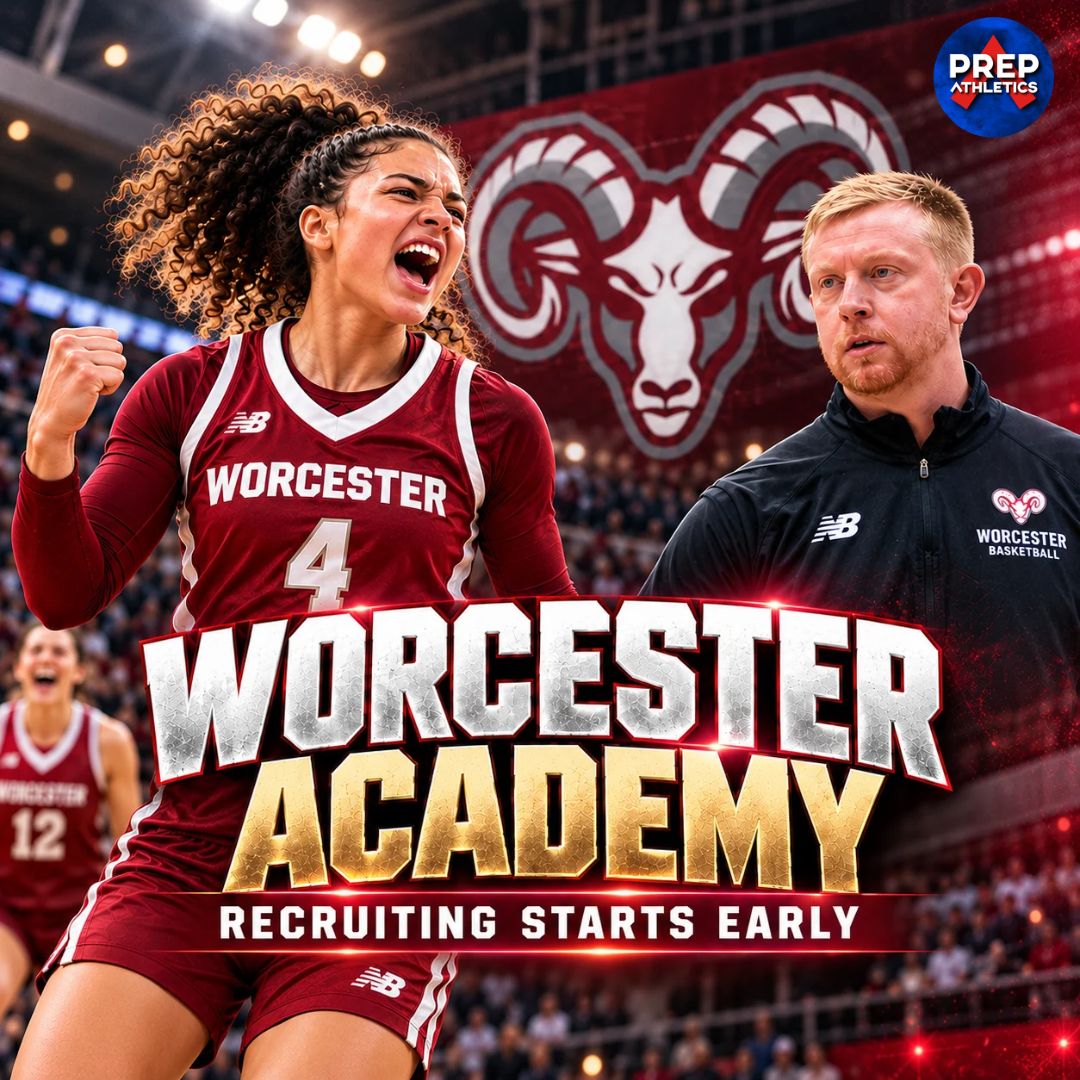
Dan Sullivan: HC of Worcester Academy Girls Basketball | Reclassing or a Post-Grad Year for Girls?

Should girls basketball players reclass or take a post-grad year? Worcester Academy head coach Dan Sullivan joins Cory Heitz to discuss recruiting timelines, college exposure, player development, and how families can choose the right prep school path.

2026 Prep School Basketball Landscape | College Recruiting & Exposure Changes

Explore the 2026 prep school basketball landscape with Cory Heitz, including college recruiting changes, exposure, June showcases, and choosing the right fit.

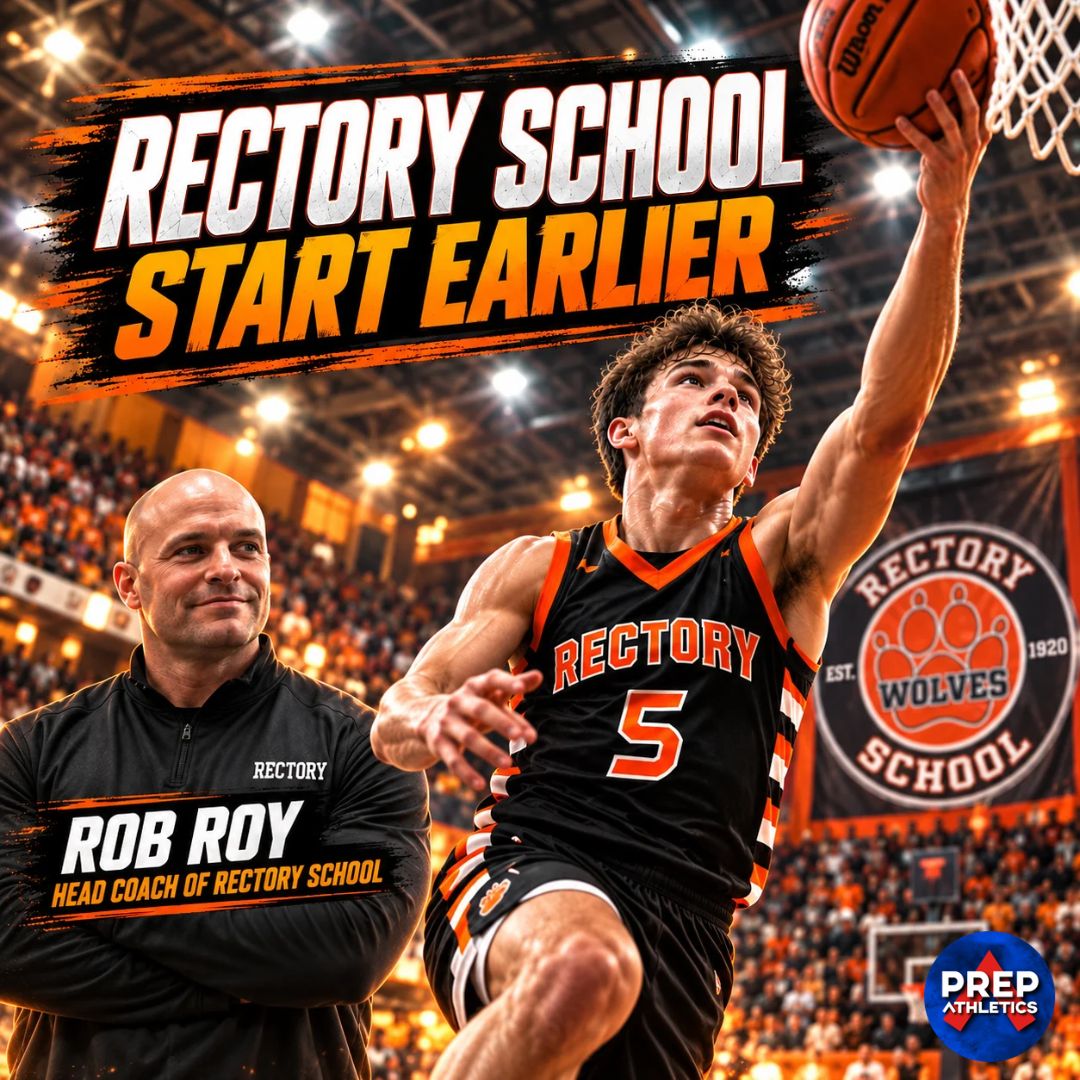
Rob Roy: HC of Rectory School Basketball | Junior Boarding School Basketball Recruiting

Rob Roy of Rectory School Basketball explains junior boarding school recruiting, reclassing, development, fit, and preparing players for prep school.

Ryan Silver: Founder of All In Elites | Transfer Portal and High School Recruiting

Ryan Silver shares how All In Elite helps players at every level navigate recruiting, development, AAU, and the changing college basketball landscape.

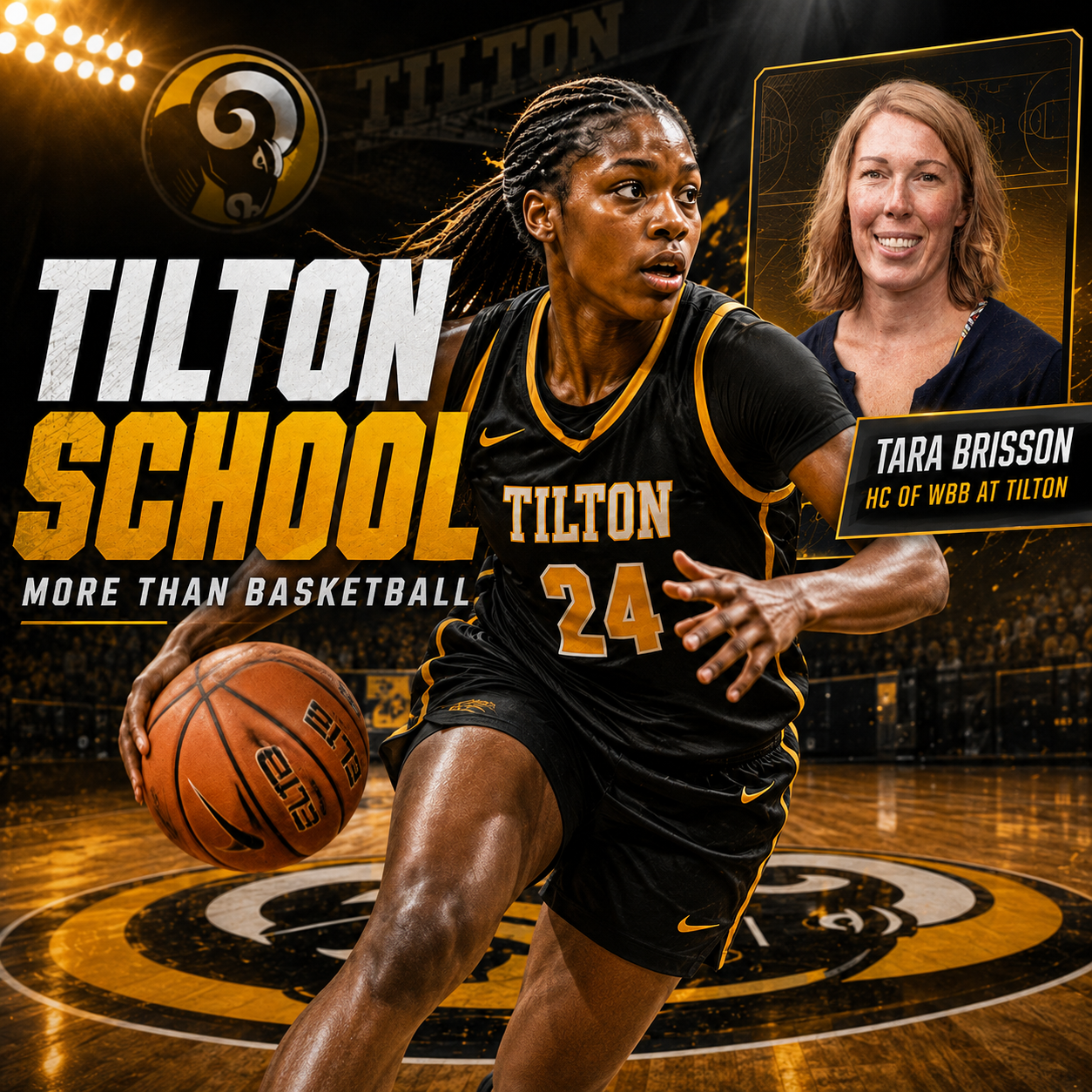
Tara Brisson: HC of Tilton Women’s Basketball | Developing the Whole Student Athlete

Tara Brisson of Tilton School Basketball shares how she develops student-athletes, prepares players for college, and helps families find the right fit.

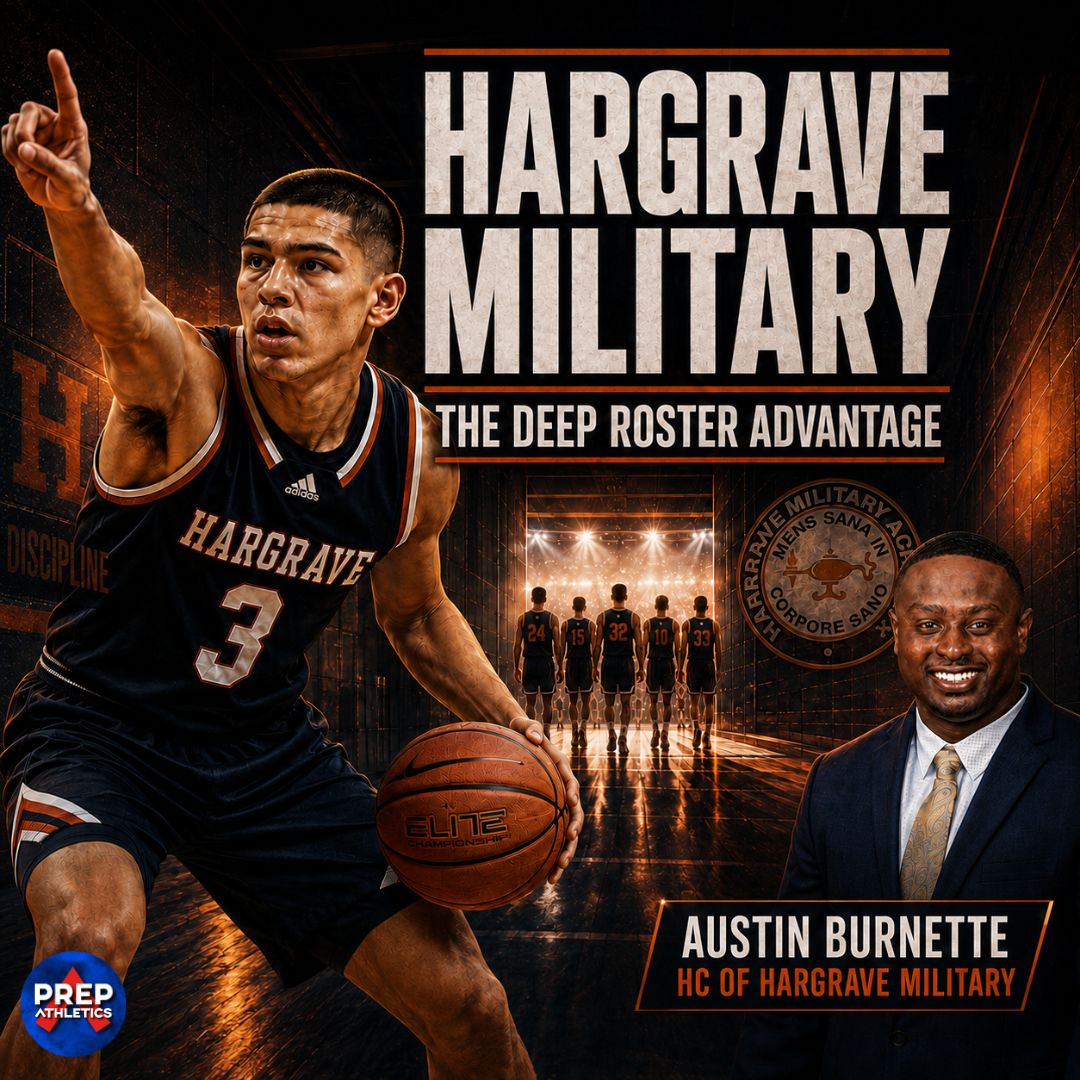
Austin Burnette: HC of Hargrave Basketball | Development Through Elite Basketball Competition

Hargrave Basketball coach Austin Burnette explains how elite competition, earned minutes, and deep rosters prepare players for college.

Joe O’Shea: Head Coach of The Kiski School on Reclassing, Recruiting & Development

Joe O’Shea of The Kiski School discusses reclassing, recruiting, player development, playing time, and preparing athletes for college basketball.

Mike Foustoukos: Lawrence Academy Basketball HC on Reclassing, D1 Guards & NCAA Changes

Lawrence Academy Basketball coach Mike Foustoukos discusses reclassing, D1 guard development, college fit, and NCAA eligibility changes.

Bryce Daley: Coach of Salisbury on How to Get Recruited for Basketball and Post-Grad Years

Bryce Daley, coach at Salisbury School, shares how to get recruited for basketball, what families should know about a post grad year for basketball, and how prep school can help players prepare for college.

ARTICLES

Basketball coach reviewing college options with a high school basketball player and parent near a gym.

How Prep Coaches Find the Right College Basketball Fit

Finding the right college basketball program involves more than athletic opportunity. Lawrence Academy coach Mike Foustoukos explains how academic interests, roster research, and college-coach conversations shape his placement process.

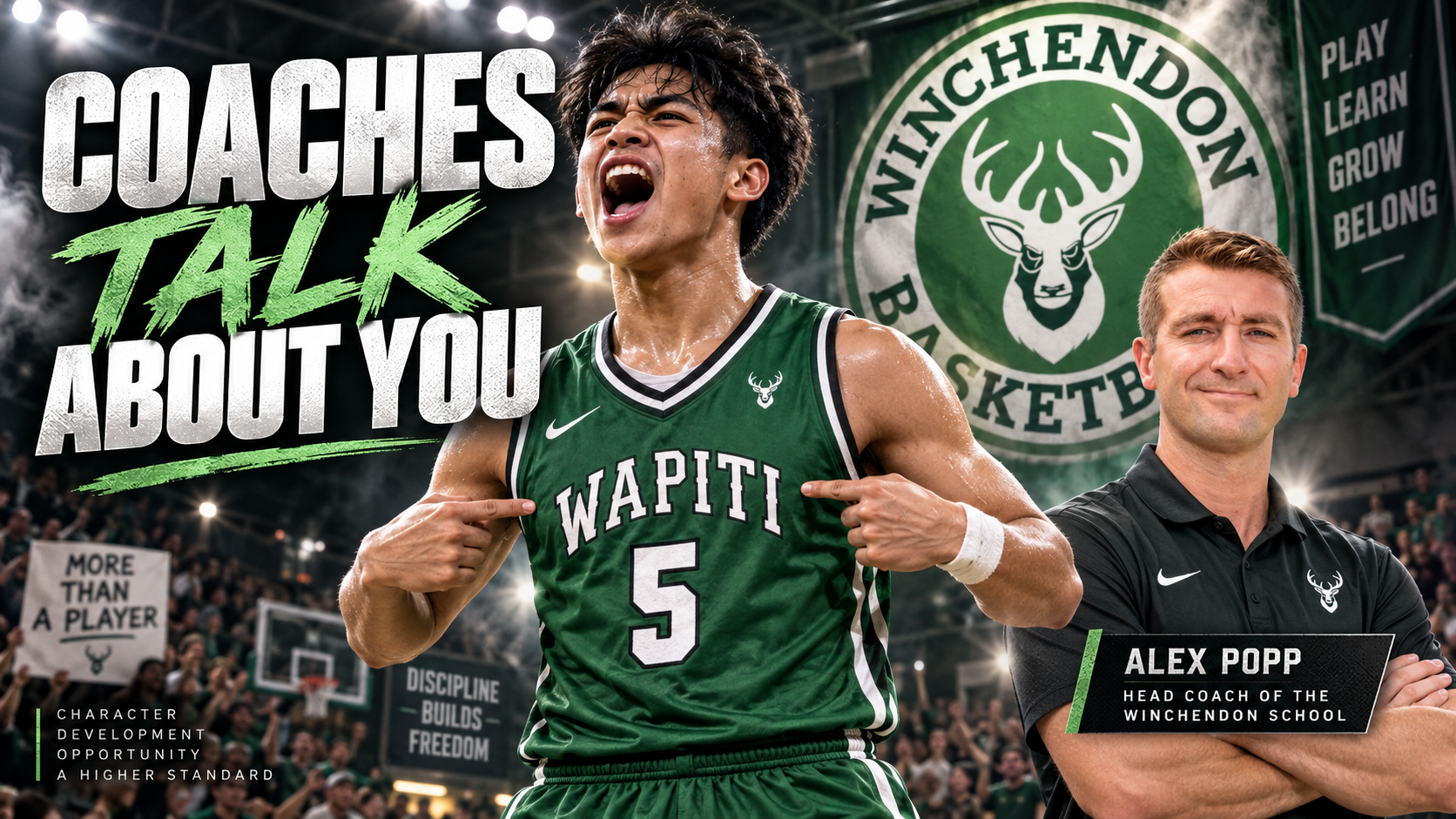
College Coaches Talk About Recruits: Why It Matters

College coaches talk about recruits across programs and levels. Coach Alex Popp explains how a coach watching someone else may notice you—and help another staff discover you.

Tara Brisson: HC of Tilton Women’s Basketball | Developing the Whole Student Athlete

Tara Brisson of Tilton School Basketball shares how she develops student-athletes, prepares players for college, and helps families find the right fit.

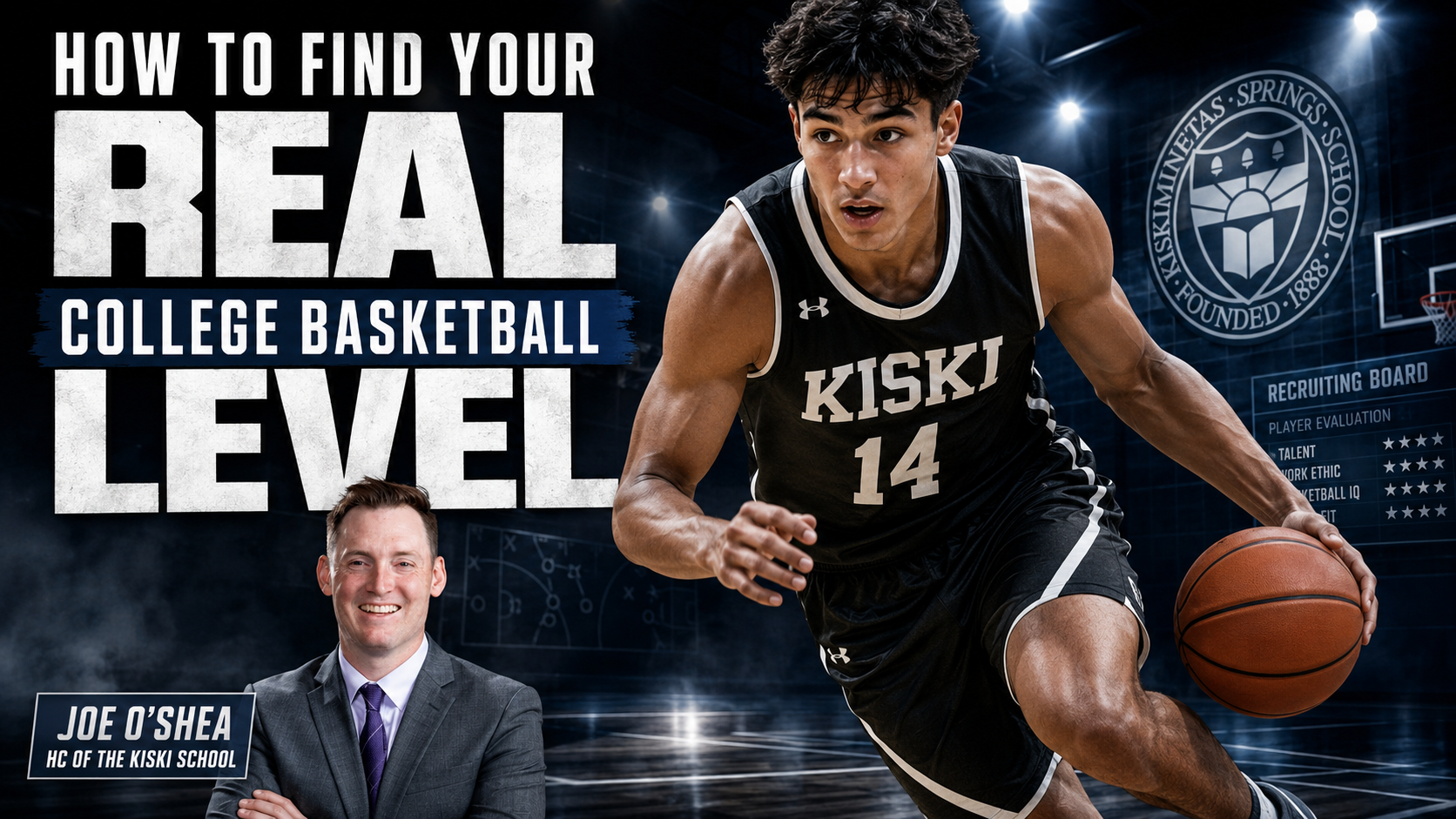
How to Find Your College Basketball Level and Role

Making a college roster and being ready to help that team win are different standards. Coach Joe O’Shea explains how an honest evaluation of contribution—not prestige—can reveal a player’s real college basketball level.

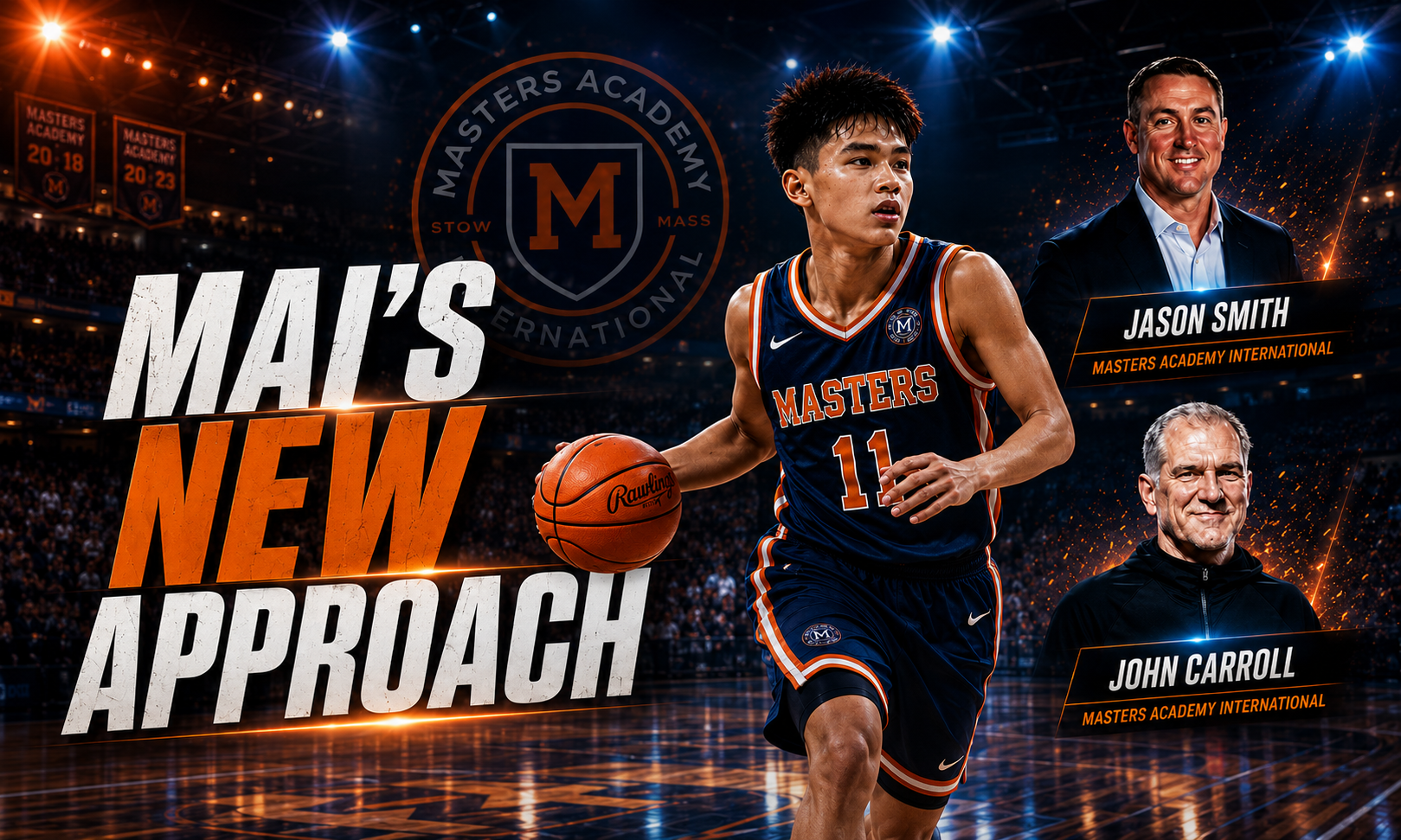
Inside MAI: A New Model for Prep Basketball

Inside MAI’s new prep basketball model, built around player development, academics, recovery, college placement, and the full student-athlete experience.

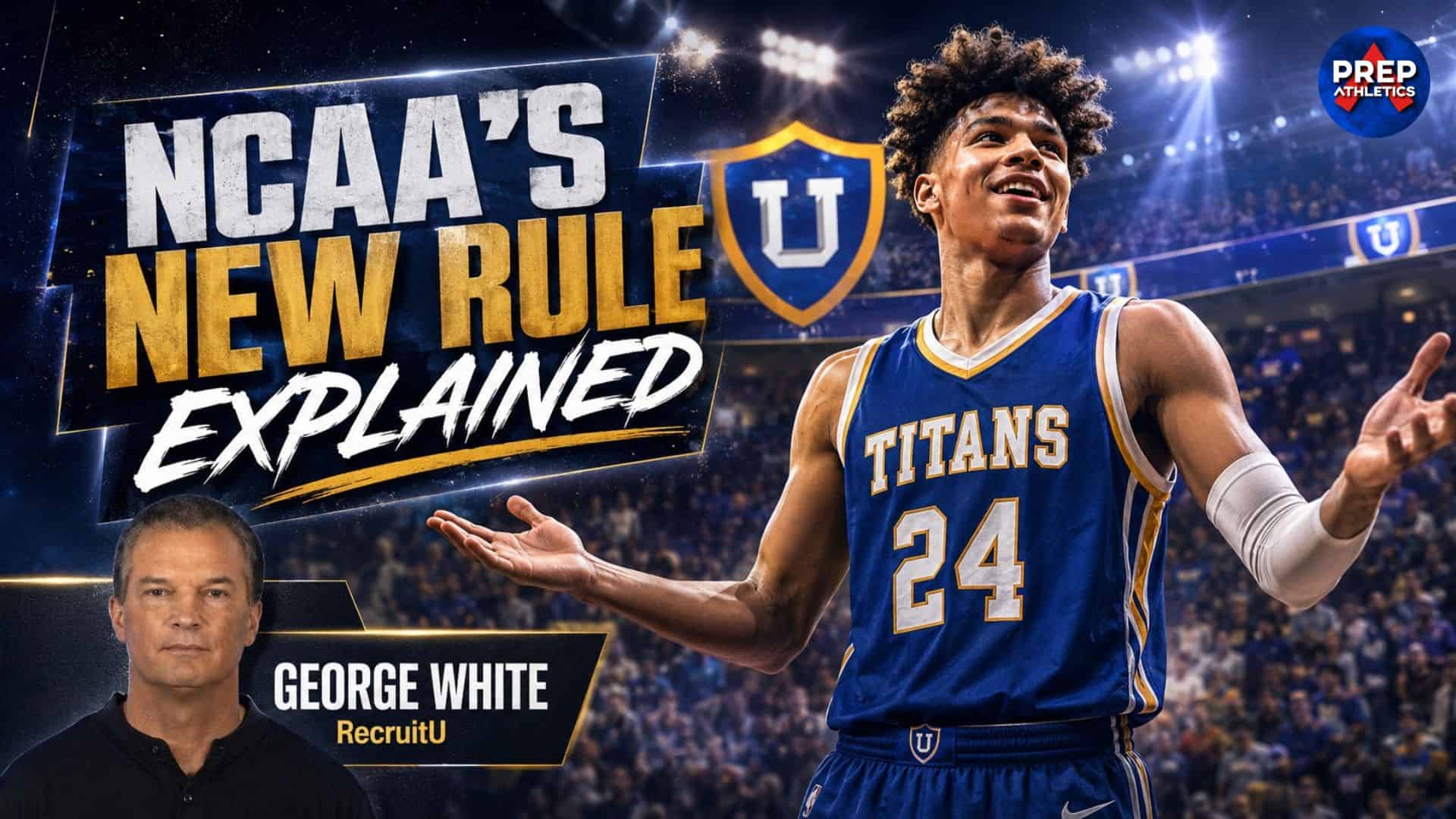
The NCAA’s New Rule: What Players and Parents Need to Know

Learn how the NCAA’s proposed 5-and-5 rule could impact recruiting, NIL, transfers, post-grad years, and college athlete eligibility.

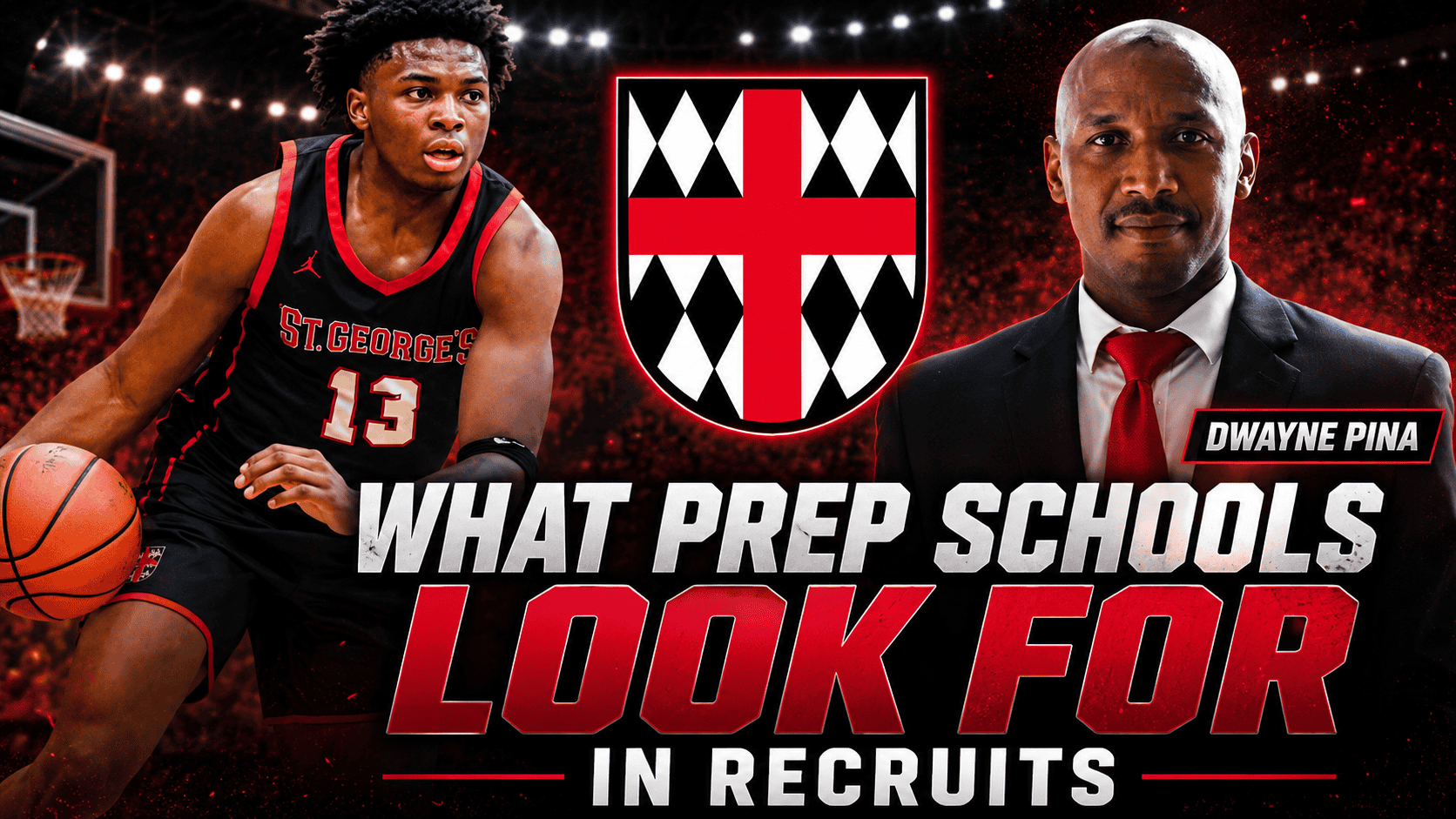
What Prep Schools Really Look for in Basketball Recruits in 2026

Discover what prep school basketball coaches really look for in recruits in 2026. St. George’s coach Dwayne Pina shares insights on player development, Ivy League recruiting, AA prep basketball, the transfer portal, and what separates Division I athletes.

How Prep School Can Change a Player’s Recruiting Path

How one prep school year transformed Antonio Anderson’s recruiting path, and why the right environment can change everything for overlooked players.

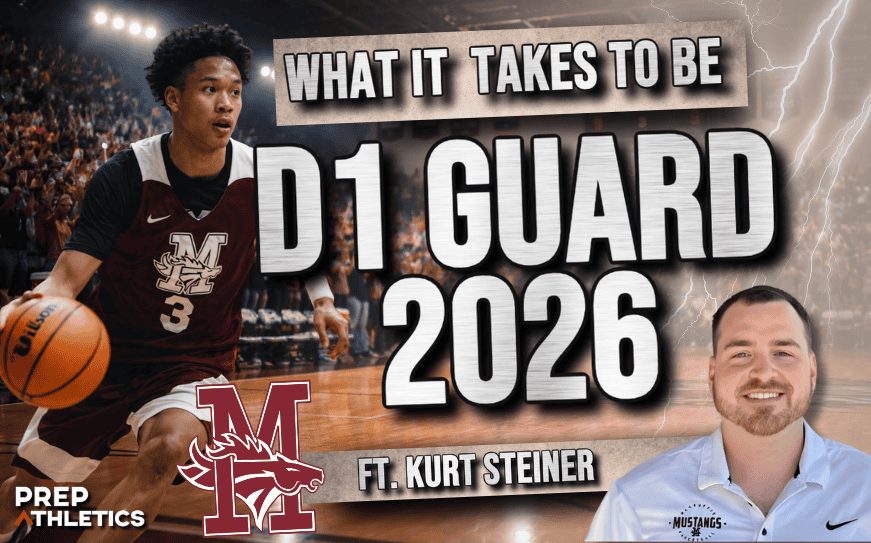
Prep school basketball guard handling the ball in a packed gym with text explaining what it takes to become a Division I guard in 2026.

What It Takes to Be a D1 Guard in 2026

A D1 coach details the skills, habits, and mindset college staffs demand from point guards, from pick-and-roll IQ to defense, film study, and leadership.

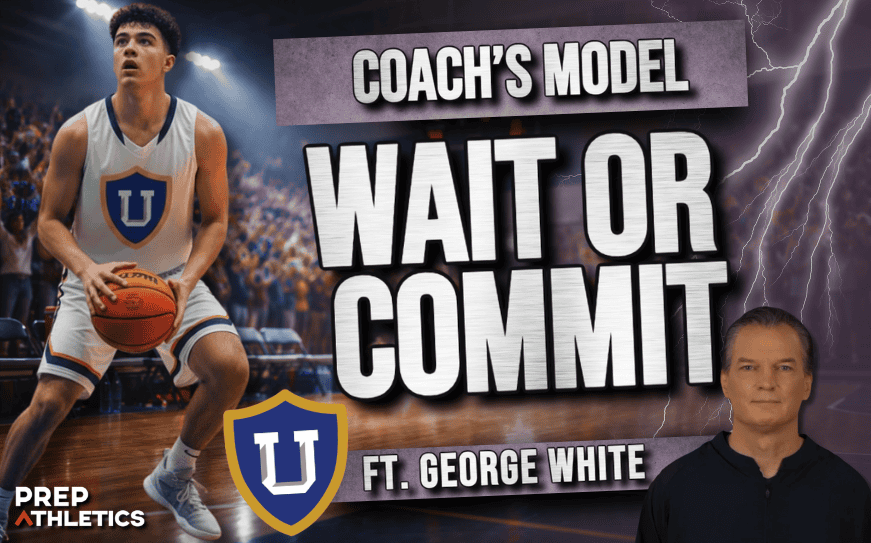
Prep school basketball player in game action with bold text reading “Coach’s Model: Wait or Commit,” highlighting a recruiting decision framework.

Post-Grads: Commit or Wait? A Coach’s Model

Former D1, NBA, and Ivy League coach breaks down modern recruiting, NIL realities, early commitments, best-fit schools, and smart paths families miss.

FIND YOUR FIT

Find Your Fit

Get Your Free Personalized Prep School Assessment

Finding the right prep school basketball opportunity starts with understanding your complete situation. Our free assessment collects key information about your athletic abilities, academic standing, and financial considerations to provide targeted guidance specific to your circumstances. This approach allows us to cut through the recruitment noise and give you honest, practical feedback about your options. Most families find that this comprehensive evaluation saves them time and helps avoid mismatched programs that waste valuable development years.

QUESTIONS?

Questions?

Fill out the form below, and we’ll get back to you within 24-48 hours, or feel free to reach out via email to cory@prepathletics.com. We look forward to hearing from you!

Fill out the form below, and we’ll get back to you within 24-48 hours, or feel free to reach out via email to cory@prepathletics.com. We look forward to hearing from you!