A college basketball program shows interest in a player, and suddenly the family has a new school to consider. That’s exciting. But finding the right college basketball fit takes more than knowing which programs might want you.
What would you study there? How might you fit into the basketball program? And would it be a school you’d want to attend for four years?
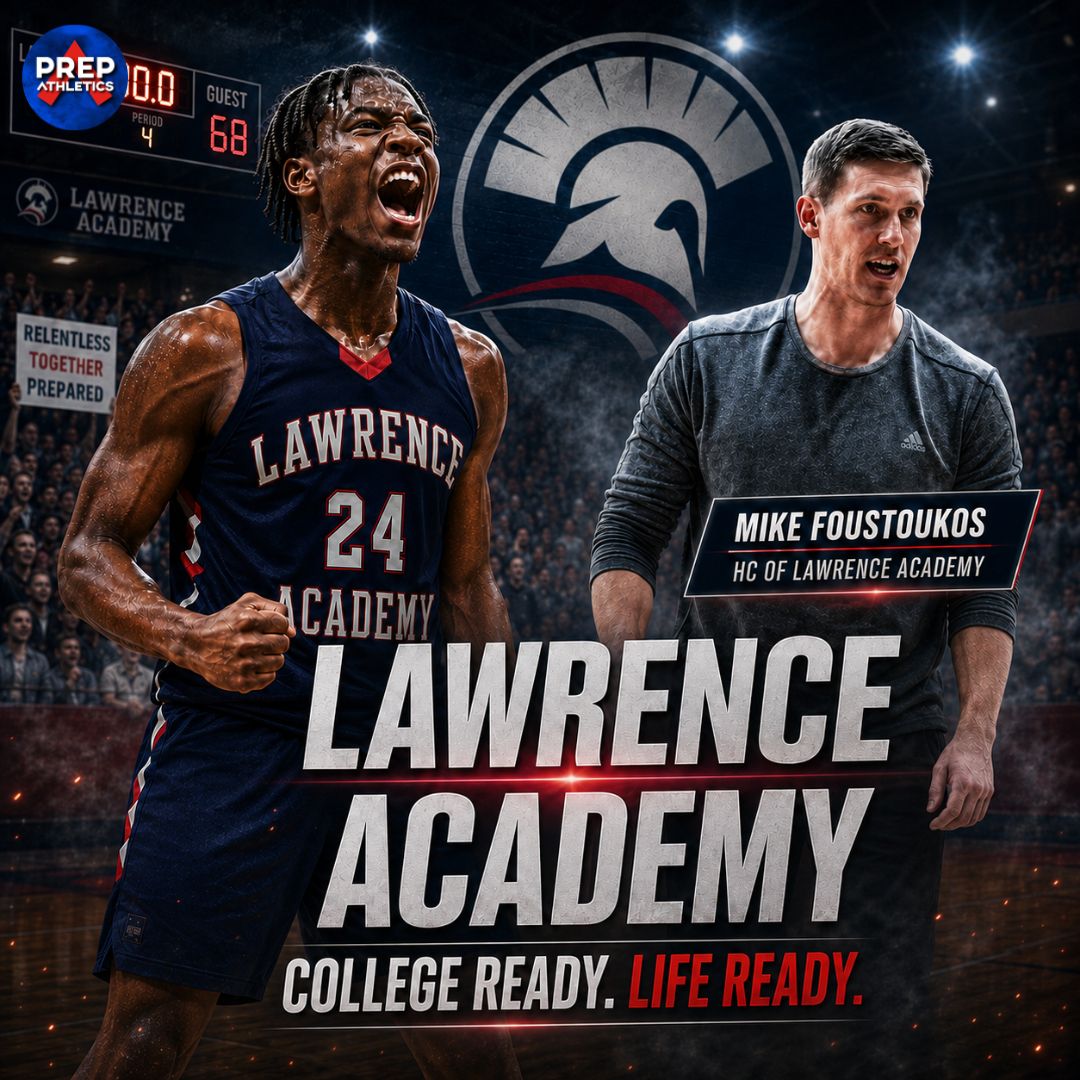
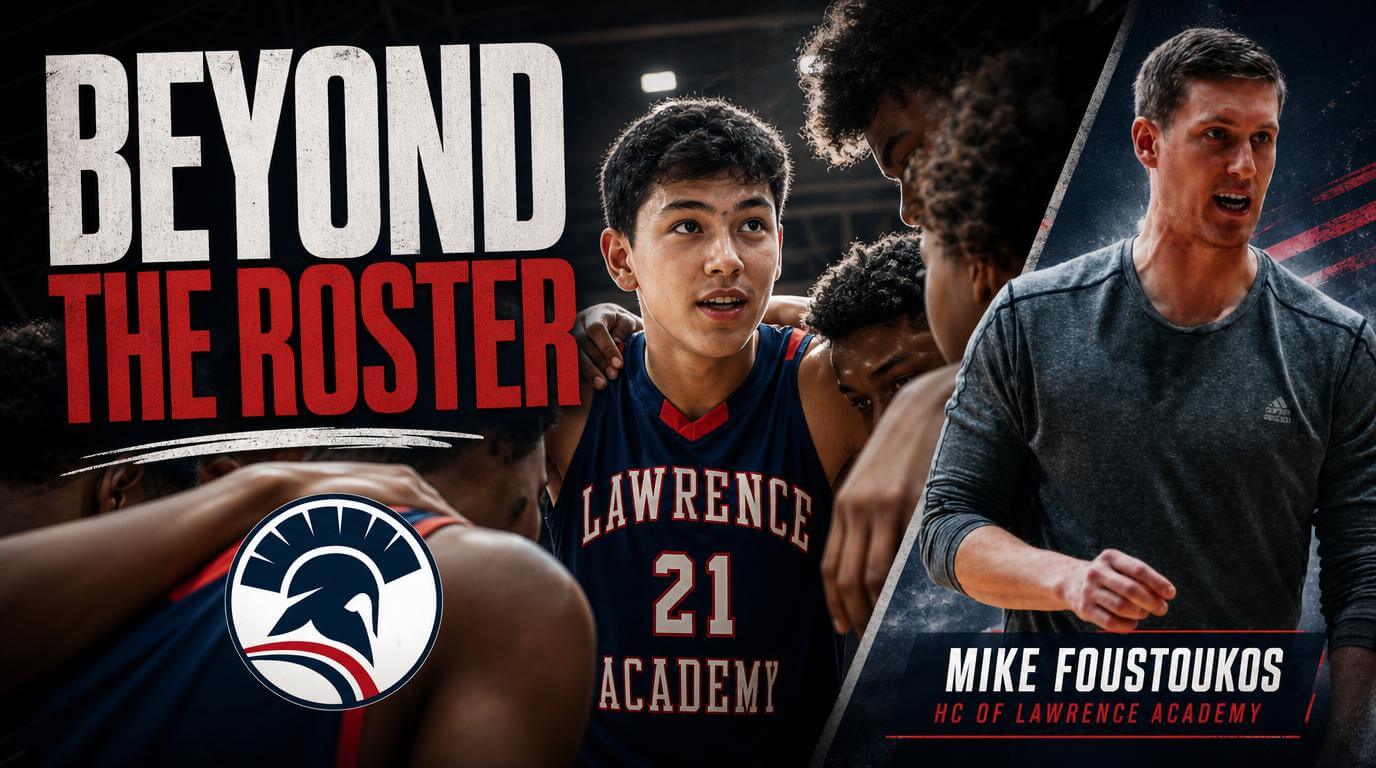
Those questions came up during my conversation with Mike Foustoukos, head boys’ basketball coach at Lawrence Academy.
When I asked Mike about his college placement strategy, I liked that he didn’t start by talking about recruiting exposure or getting players in front of college coaches.
He started with the student.
From Mike’s perspective, finding the right college program means understanding who the player is, identifying schools that make sense academically, and then evaluating where that player might have a meaningful basketball opportunity.
It’s a useful way for families to approach a decision that goes well beyond the court.
The College Search Should Start With the Student, Not the Program
Before Mike and his staff start identifying potential college basketball programs, they want to understand the student-athlete as a person.
What interests them? What might they want to study? What kind of future do they see for themselves?
Mike made a point during our conversation that I think every aspiring college basketball player should consider:
“Basketball is going to end eventually.”
That doesn’t mean basketball shouldn’t be a major priority. These players have worked hard to reach the point where competing in college is a possibility.
But Mike wants to understand what else matters to them before determining which schools to pursue.
He gave several examples. A student might be interested in business, but that could mean finance, accounting, or real estate. Another student might be much more interested in the arts.
Those differences matter when evaluating colleges.
A school that makes sense for a player interested in finance may not be the same school that best serves someone with different academic interests.
And two equally capable basketball players may need very different college experiences.
What stood out to me was the order of Mike’s thinking. Rather than starting with available basketball programs and trying to make everything else fit, he wants to understand the student’s interests first.
That gives the college search a more personal starting point.
Once those interests are clear, the next question becomes which basketball programs might offer the right opportunity.
What Can a College Basketball Roster Tell You?
After understanding the student, Mike and his staff turn their attention to basketball.
One important part of that process is examining college rosters.
It’s a simple detail from our conversation, but it reveals something important about how Lawrence Academy approaches college placement.
A college might interest a player academically. That doesn’t automatically mean its basketball program offers the right situation.
Mike wants to identify places where his players might have opportunities to succeed.
Imagine a student who is interested in two colleges. Both offer academic paths that appeal to them, and both have basketball programs worth exploring.
But after looking at the rosters, one school appears to present a more realistic opportunity for that particular athlete.
That doesn’t automatically make it the better choice. It does, however, give the family something more useful to investigate.
Instead of comparing only the schools themselves, they can begin looking at how the athlete might fit within each program.
There’s also an important distinction between having a possible place on a college roster and being in a position to contribute.
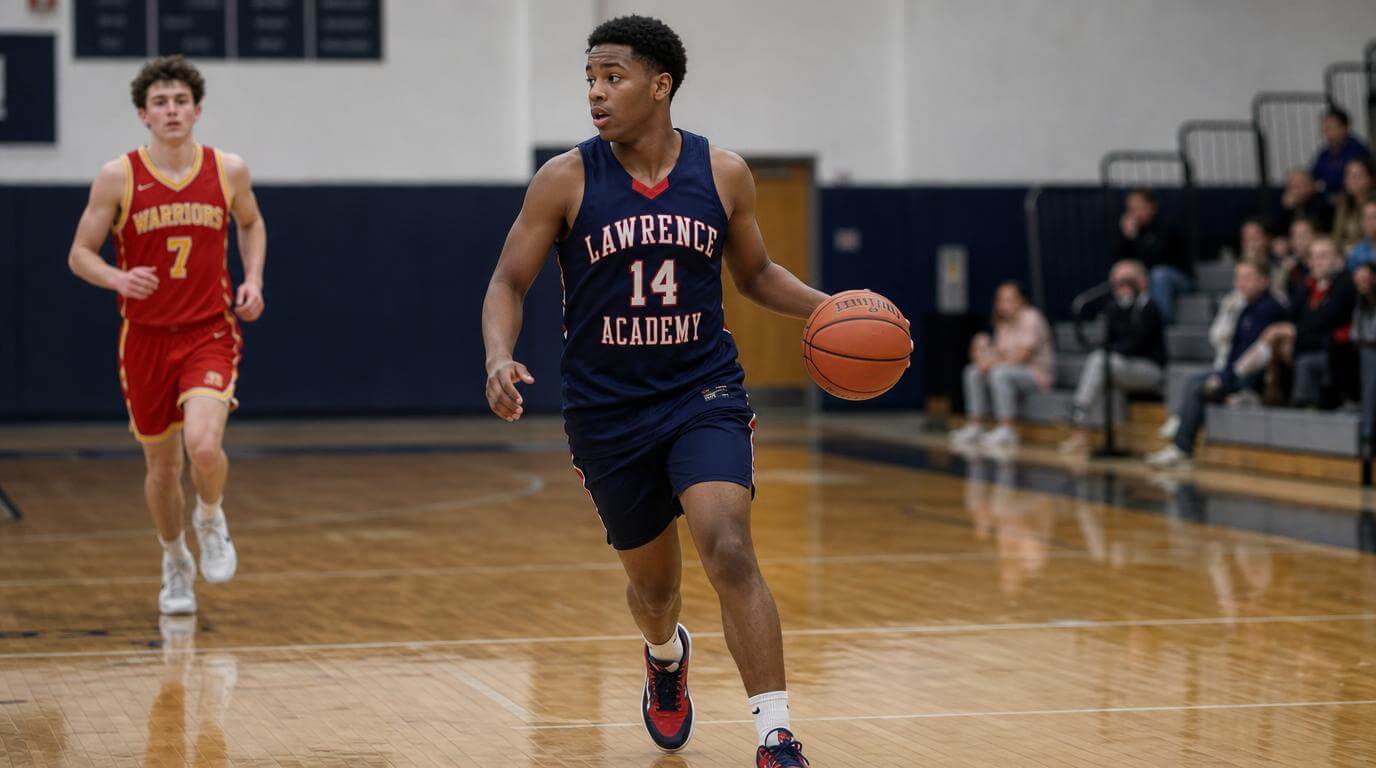
We explored that difference in another PREP Athletics article about finding your college basketball level and role.
Mike’s approach adds another layer to that conversation.
The question isn’t simply whether a player could compete at a particular level. It’s whether that specific college could be a good destination for that specific student.
Of course, looking at a roster cannot guarantee future playing time or determine exactly how a player’s college career will unfold.
That’s where another part of Mike’s placement process becomes important.
How Prep Coaches Evaluate College Basketball Fit
Mike explained that his staff does more than examine rosters and identify potential schools.
They also contact college coaches.
As he described the process:
“We’re calling coaches, we’re examining rosters”
Those activities work together.
The roster helps the prep coach identify programs worth investigating. Communication with college coaches then becomes another part of determining which destinations might make sense for the athlete.
I think this is an important distinction for families considering prep school basketball.
It’s easy to focus on how many college coaches attend a school’s games or how much exposure a particular program receives.
But there is also value in understanding what happens away from those games.
How does the prep coach identify schools for individual players? How does that coach use knowledge of the student to guide the search? And how involved is the coach in communicating with college programs?
Mike’s explanation gives families a specific example of what that work can look like.
It also connects to something we’ve discussed before about why communication between basketball coaches matters in recruiting.
Those relationships and conversations can help coaches explore opportunities that may not be obvious from the outside.
Still, it’s important to keep expectations realistic.
A phone call doesn’t guarantee recruiting interest. Finding a promising roster situation doesn’t guarantee a role. And a prep coach’s involvement doesn’t mean every school contacted will become an option.
What it can do is make the search more informed.
Instead of simply hoping an interested college turns out to be the right fit, Mike’s staff is actively looking for places where their players might thrive.
Finding a College You Can Call Home for Four Years
One of the most meaningful parts of Mike’s answer was his long-term perspective.
He doesn’t want his players bouncing from one college to another because the original destination wasn’t a good fit.
His hope is to help each athlete find a place they can comfortably call home.
As Mike put it, “we want everybody to find a home for the next four years”.
That goal goes beyond basketball placement.
Think about everything a student will experience during college. Basketball is a major part of the journey, but the athlete is also attending classes, exploring interests, developing relationships, and preparing for life after the game.
Mike’s own college experience helps explain why this matters to him.
He took a preferred walk-on spot at Merrimack College but had to medically retire from basketball during his freshman year.
Despite that disappointment, he spoke positively about his time there, particularly his relationships with the team and coaching staff.
He still considers those four years a great experience.
I thought that was a valuable connection to his current approach.
His basketball experience changed, but that didn’t erase the value of the college he attended.
Obviously, no family can predict everything that will happen during four years of college. Mike also acknowledged that circumstances sometimes change, and his goal isn’t to suggest every athlete must remain at one institution regardless of what happens.
The point is to make the initial decision with the whole college experience in mind.
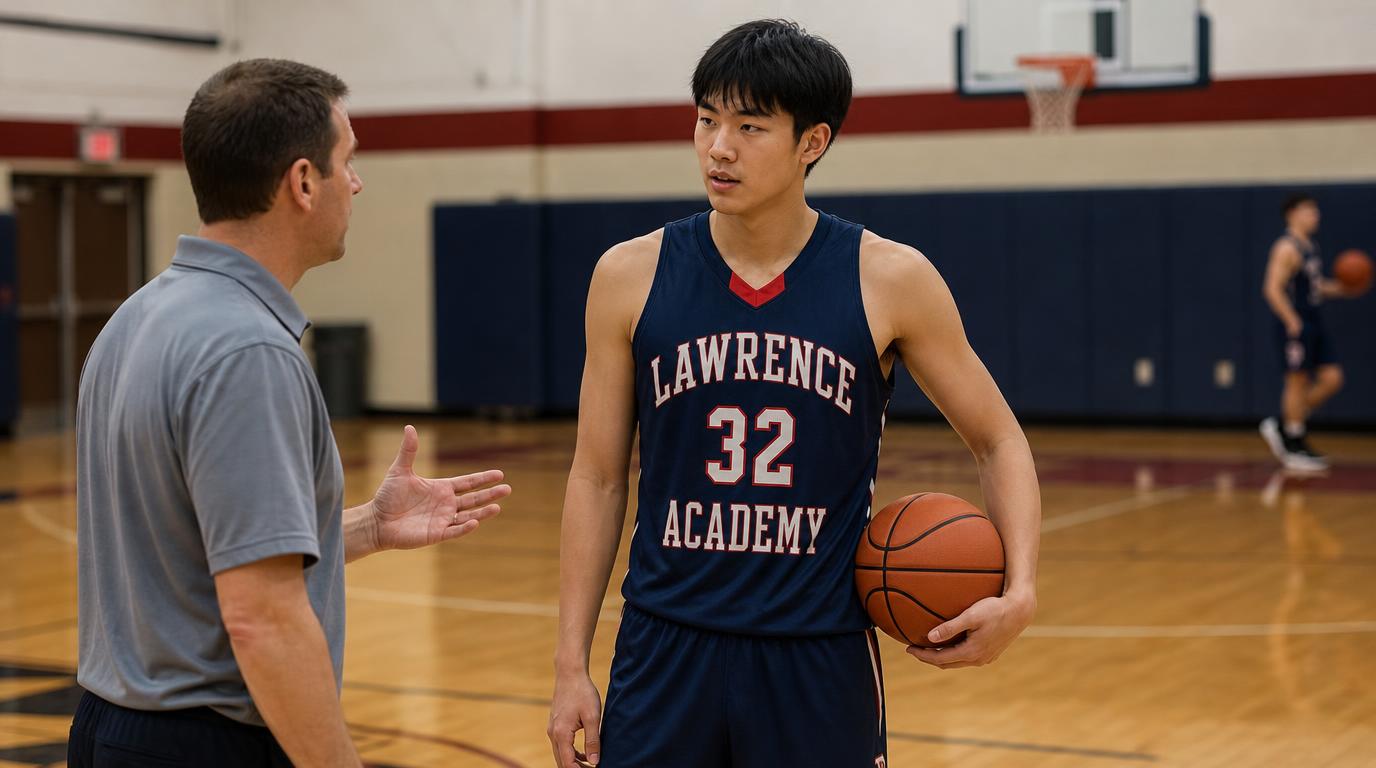
A program shouldn’t be judged only by the opportunity it presents today. Families should also consider whether the school makes sense for the person the athlete is becoming.
Questions Families Should Ask About College Placement
Mike’s approach provides a useful starting point for conversations between families and the coaches helping guide their recruitment.
If you’re considering a prep school, or you’re already working with a coach to identify college opportunities, I’d focus on a few questions.
1. How are we identifying colleges that fit the student’s academic interests?
Are the schools being considered connected to what the player actually wants to study or pursue after basketball?
2. What have we learned from examining these college basketball rosters?
Does the coach see a potentially appropriate opportunity for this athlete, or is the school primarily attractive because of its name or competitive level?
3. Which college coaches have been contacted, and what do we know so far?
Understanding what communication has taken place can help families separate programs being researched from opportunities that have developed into genuine recruiting conversations.
4. Would this school still make sense if the basketball experience changed?
This question gets back to Mike’s larger goal. If the player’s role develops differently than expected, would the school still offer an experience that fits their academic and personal interests?
These aren’t questions Mike presented as a formal checklist. They’re practical ways to apply the approach he described.
A conversation about college basketball fit should leave the player and family with a clearer understanding of why certain schools are being considered, even when the outcome remains uncertain.
And if you’re evaluating a prep school, these questions can also help you understand how its coaching staff approaches college placement.
The Best Opportunity Is One That Makes Sense for the Whole Student
One thing I appreciated about Mike Foustoukos’ explanation was that he treated college placement as a process of finding the right match rather than simply getting a player onto a college roster.
His approach starts with understanding the student, continues through identifying potential basketball opportunities, and involves conversations with college coaches to explore where that player might thrive.
The goal is a college experience that works for the athlete as both a basketball player and a person.
For families navigating recruitment, that’s a useful perspective to keep in mind.
Being wanted by a college program is exciting. Understanding why that college is a good place for your student-athlete is what makes the opportunity worth serious consideration.